


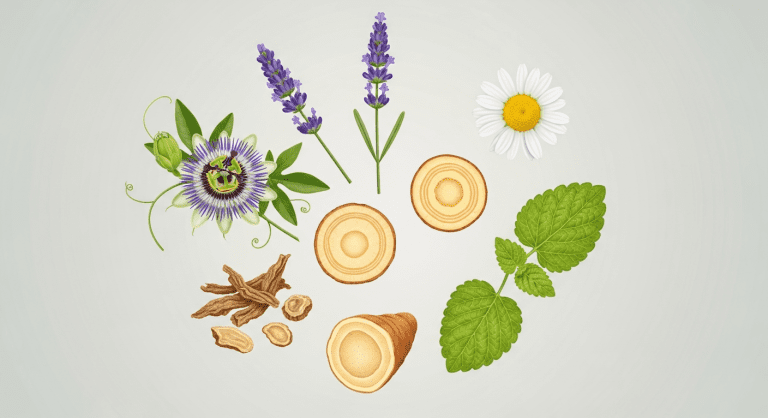

Top Herbal Remedies for Stress Relief: A Guide for Adults Aged 31-40 in the UK (2024)
Feeling constantly stressed? Modern life in the UK is full of pressures—work, relationships, finances, and the relentless digital pace. For adults aged 31-40, stress isn’t just uncomfortable—it can sap your energy, hinder sleep, affect digestion, and harm long-term health. Fortunately, herbal remedies for stress relief have gained traction as effective, natural solutions for restoring calm and balance.
In this evidence-backed guide, we’ll explore the best herbs for stress relief available in the UK, how they work, optimal ways to use them, safety tips, and answer your burning questions. If you’re ready to take control of your mental wellness and discover natural calming solutions, read on.
Why Turn to Herbal Remedies for Stress Relief?
Herbal remedies have a long history in traditional medicine for managing stress symptoms like anxiety, insomnia, irritability, and fatigue. Unlike many pharmaceuticals, quality herbs present fewer risks of dependence or side effects when used correctly (NHS Stress Guide).
- Non-habit forming
- Natural ingredients
- Available in teas, supplements, tinctures, or capsules
- Can complement mindfulness, diet, and exercise in a holistic wellness plan
Top 7 Herbal Remedies for Stress Relief in the UK
1. Ashwagandha
Ashwagandha is an adaptogenic herb, helping your body adapt to stress. Clinical trials show it reduces cortisol (the stress hormone), supports mood regulation, and may improve sleep in stressed adults.
- How to use: Capsule or powder, typically 300-500mg/day
- Best for: Persistent stress, low energy
- Healthline on Ashwagandha
2. Rhodiola Rosea
Rhodiola is another adaptogen popular in European herbal medicine. Studies suggest it combats mental fatigue, boosts endurance, and improves your ability to cope with daily pressures.
- How to use: Standard extract (3% rosavins), 200-400mg/day
- Best for: Mental exhaustion, workplace stress
- NIH Study: Rhodiola for stress
3. Lavender
Lavender isn’t just fragrant—it’s clinically shown to support relaxation and reduce anxiety symptoms. Often used as an aromatherapy oil or in herbal teas.
- How to use: Essential oil (diffuser, pillow spray), tea, or oral supplement
- Best for: Sleep support, mild anxiety, acute stress
- Sleep Foundation: Lavender and sleep
4. Chamomile
Chamomile tea is a classic remedy for calm. German chamomile contains apigenin, an antioxidant that binds to brain receptors associated with relaxation and sedation.
- How to use: Tea (1–2 cups before bed), capsule
- Best for: Mild stress, trouble winding down at night
5. Lemon Balm
Lemon balm (Melissa officinalis) has shown promise in reducing mild-moderate anxiety, boosting mood, and easing digestive symptoms linked to stress.
- How to use: Tea, capsule, extract (300-600mg/day)
- Best for: Daytime anxiety, stress-related indigestion
6. Passionflower
Passionflower works by increasing GABA in the brain—a calming neurotransmitter—which may help with acute anxiety and trouble sleeping.
- How to use: Tea, tincture
- Best for: Evening wind-down, pre-bedtime relaxation
- Medical News Today: Passionflower for anxiety
7. Valerian Root
Valerian root is favored for its mild sedative effects, particularly for falling asleep. Many use valerian to quiet a busy mind at bedtime.
- How to use: Tea, capsules (400-600mg, 30-60 minutes pre-bed)
- Best for: Sleep problems, restlessness
Comparison Table: Best Herbal Remedies for Stress Relief
| Herb | Main Benefit | How to Take | Best Time |
|---|---|---|---|
| Ashwagandha | Balances stress response | Capsule, powder | Morning/evening |
| Rhodiola | Fights fatigue | Capsule, extract | Morning |
| Lavender | Calms & soothes | Oil, tea | Anytime (aroma)/evening (tea) |
| Chamomile | Relaxation | Tea, capsule | Evening |
| Lemon Balm | Mood support | Tea, capsule | Daytime |
| Passionflower | Reduces anxiety | Tea, tincture | Evening |
| Valerian Root | Sleep aid | Tea, capsule | Bedtime |
How to Use Herbal Remedies for Maximum Stress Relief
For best results, build gentle herbal support into your daily routine:
- Check with your GP or a qualified herbalist, especially if you take medication or are pregnant.
- Start low: Try one herbal remedy at a time to monitor effects.
- Consider teas for gentle, daily support—and capsules or tinctures for more noticeable impact.
- Combine with other proven stress-management strategies, like mindfulness meditation and gentle exercise.
- Shop for high-quality, reputable UK brands to ensure safety and potency.
Herbs are not quick fixes. Many users notice the most benefit after 2–4 weeks of consistent use.
Are Herbal Stress Remedies Safe for Ages 31-40?
For most healthy adults, these common herbs are generally safe when used as directed. Watch for:
- Possible drowsiness (especially valerian or passionflower)
- Interactions with antidepressants, sedatives, or blood-pressure meds
- Allergies (avoid if allergic to ragweed/chamomile, for example)
- Pregnancy counter-indications (seek professional advice!)
See the NHS guide on herbal supplements for more UK-specific safety tips.
Tips for Long-Term Stress Management & Herbal Success
- Pair herbs with regular exercise, a balanced diet, enough sleep, and time outdoors
- Schedule “decompression” rituals (like evening tea, aromatherapy, or journaling)
- Set boundaries for digital devices
- Stay connected—talk to friends or support groups
- When stress worsens or is linked to depression/anxiety, consult your GP
For more on long-term healthy aging and stress prevention, see our Preventive Wellness Guide.
Related Internal Resources
- How Meditation Aids Stress & Sleep
- Functional Fitness for Brain Resilience
- Preventive Wellness for Longevity
FAQs About Herbal Stress Relief for Adults Aged 31-40 (UK)
Is it safe to combine different herbal remedies for stress?
In most healthy adults, combining herbal teas (like chamomile + lemon balm) is fine. For mixing capsules (adaptogens or sedatives), consult your GP or a herbalist to avoid interactions.
Which is the best herb for stress-related insomnia?
Valerian root and passionflower are top picks for promoting restful sleep. Lavender, used aromatically or as a tea, also helps you unwind before bed.
How soon will herbal remedies reduce my stress?
Some people notice calm within an hour (with teas or aromatherapy), but lasting impact typically takes 2–4 weeks of daily use, especially with adaptogens like ashwagandha. Consistency is key.
Can I take herbal supplements if I’m on antidepressants?
Some herbs may interact with antidepressants or anti-anxiety meds. Always check with your doctor, especially before trying St. John’s Wort (not listed above due to many known interactions).
Are herbs better than therapy or medication?
Herbal remedies are most effective as part of a holistic lifestyle, alongside therapy, exercise, and diet. They’re not replacements for medical treatment, especially for severe stress or mental health disorders.
Conclusion: Embrace Natural Calm with Herbal Stress Relief
For UK adults in their 30s juggling career, relationships, and life changes, herbal remedies offer a natural, gentle path to resilience. When used safely and consistently, herbs like ashwagandha, rhodiola, lavender, and chamomile help ease daily pressures, support better sleep, and boost mood.
Combine your chosen herbal allies with proven stress management strategies—and remember, if your symptoms persist or worsen, don’t hesitate to seek professional support. Small, informed steps now can powerfully improve your quality of life and health for years to come.




0 Comments