


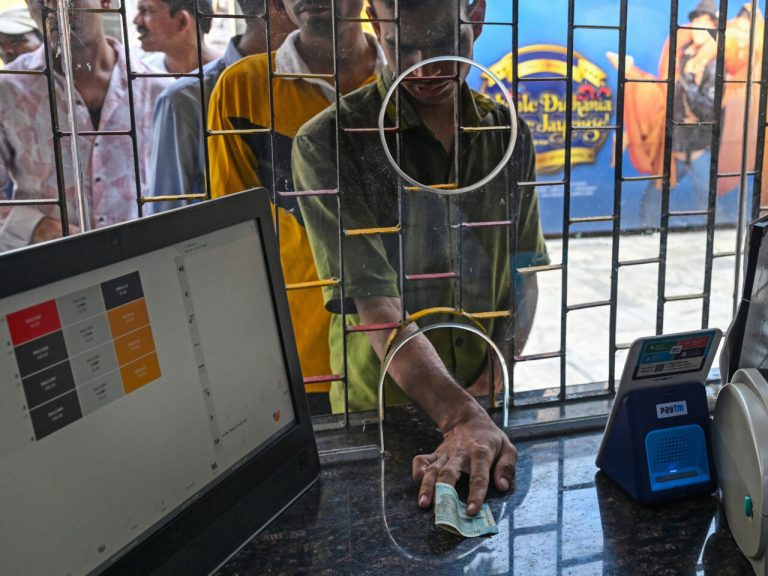

Bollywood Fake Box Office: How Inflated Ticket Sales & Paid Reviews Are Threatening the Industry
Bollywood fake box office trends have sent shockwaves through India’s film industry. In recent years, top movies have reported blockbuster earnings—but insiders and journalists are uncovering a troubling underbelly of manipulated box office figures, fake ticket sales, and rampant paid PR hype. As these tactics erode trust, the very survival of India’s $60B entertainment powerhouse is at stake. This blog exposes the truths behind the headlines, answers the burning questions, and explains why every moviegoer should care.
Why Bollywood Box Office Manipulation Is Making Headlines
When headlines scream about record-breaking openings or “housefull” shows, it’s natural for Bollywood fans and industry watchers to get excited. But in 2024–2025, a string of viral exposes has forced the public to ask: Are these numbers real?
- AFP, Hindustan Times, and YouTube channels released exposes in late 2025 that documented fake ticket sales, ghost audiences, and bollywood producers buying their own tickets.
- Major films like Kanguva (2024) and Thamma (2025) were accused of claiming inflated box office numbers to bolster reputations and negotiate higher streaming deals.
- Empty theaters with “housefull” signs became a trend across Mumbai, Jaipur and beyond, shaking audience faith.
With reporting from Hindustan Times shedding light on these tactics, the industry’s credibility is under more scrutiny than ever before.
How Bollywood’s Fake Box Office Scam Works
Box office manipulation is a calculated, multi-step process engineered by film producers, PR agencies, and digital influencers. Here’s how it unfolds:
- Bulk Ticket Buying: Producers, brands, or employees purchase bulk tickets for their own movie, often via online portals, to inflate “sold out” stats.
- False Collections Reporting: Official press releases and social media announcements tout inflated receipts—sometimes 30-50% higher than trade analyst data.
- Paid Reviews & PR Campaigns: Influencers, journalists, and review portals publish positive reviews in exchange for payment, propping up the “success” narrative regardless of true turnout.
- Visual Misdirection: “Housefull” boards and staged crowd photos mislead media and audiences—yet real viewers often report empty seats, as revealed by Jaipur’s Gem Cinema owner Sudhir Kasliwal.
Gatekeeping by Streaming Platforms
OTT platforms (Netflix, Amazon Prime, etc.) now demand audited box office statements after being burned by inflated deals. This has added a new layer of scrutiny and pressure on producers to show legitimate success.
Headline Cases: Kanguva and Thamma’s Exposed Numbers
| Film | Reported Box Office | Actual Estimated | Key Source / Whistleblower |
|---|---|---|---|
| Kanguva (2024) | ₹127 crore | ₹70–100 crore | Trade sources (Sacnilk) |
| Thamma (2025) | $18 Million | ~$15 Million | Producer-distributor Wadhwa; Director Aditya Sarpotdar |
- The Star Malaysia and Digital Journal offer in-depth investigations on fake earnings and paid review scandals.
Who Is Involved? Insiders, Journalists & Whistleblowers Speak Up
What makes these revelations credible is the array of insiders and industry veterans sounding the alarm:
- Anonymous publicists, trade analysts like Ramesh Bala and Sumit Kadel, and local Mumbai analysts have repeatedly pointed out the mismatch between online bookings and actual theater attendance.
- Journalists such as Vicky Lalwani, Sanjay Mishra, Hina Kumawat, Varinder Chawla, and Ujjwal Trivedi have publicly reported suspicious practices.
- Actors—including Shah Rukh Khan (whose movies reportedly had “sold out” Jaipur shows with near-empty halls), Salman Khan, and Tiger Shroff—are now under scrutiny for “stardom marketing” eclipsing acting or genuine audience draw.
- Director Vasan Bala and actor Manoj Bajpayee have lamented the negative impact on authentic creativity and the emergence of “manufactured hits.”
See more on how to assess public opinion and trust, for example, through relationship building principles here.
The Deep Impact: What Fake Success Means for Bollywood’s Future
- Inflated Star Fees: When collections are faked, actors and directors negotiate higher salaries, inflating production budgets across the board.
- Blocking New Talent: False “hit” status keeps established stars locked in, making it tougher for newcomers to break in.
- Audience Distrust: Viewers burned once by fake hype are less likely to trust promotional claims—hurting actual attendance.
- Real Revenue Drop: Producers can’t sell streaming or satellite rights at expected levels when numbers are exposed as inflated.
- Global Reputation Risk: Repeated scams risk damaging India’s Cannes and Oscar credibility, affecting partnerships and festival entries.
As streaming platforms demand greater transparency, expect stricter audits and contract clauses, much like those enforced in other entertainment hubs worldwide.
Why Is This Trend Exploding Now?
The latest surge in box office fakes has roots in:
- Pandemic Pressure: After COVID-19, audiences were slow to return to theaters—so box office manipulation became a lifeline for struggling productions.
- Viral Social Media: Since 2020, YouTube and influencer rate cards have amplified paid reviews, accelerating fake-hype cycles.
- OTT Disruption: With streaming contracts now a larger piece of film revenues, inflated “collection” reports serve to extract bigger deals—until exposed.
- 2025 Reports: Trade insiders warned of a “crisis of credibility” by late 2025; media coverage snowballed after viral exposes and high-profile flops.
Miss any steps here? Check out how strategic transparency builds trust in other industries.
How To Spot Bollywood Paid Reviews & Fake Collection Hype
Being a smart moviegoer means looking past the headlines. Here’s how to identify suspicious box office and review manipulation:
- Discrepancy between press releases and third-party sites like Sacnilk or Box Office India
- Social media “sold out” posts without photo evidence of large crowds
- Same influencers or film critics giving consistently high ratings to all big banner films
- Empty theaters reported on the same day as claimed “housefull” status
- Paid “rate card” reviewers sending out positive tweets en masse immediately after release
What The Experts Are Saying: Recent Quotes
“The future looks bleak unless Bollywood finds honesty. It’s a very sad situation.” — Mumbai Analyst (2025)
“We’re using social media to script success stories out of thin air. Audiences aren’t fooled for long.” — Anonymous Publicist (2024)
“There’s an urgency now, before trust erodes completely. Otherwise, streaming giants and real audiences will turn away for good.” — Trade Journalist, Digital Journal
For more on media manipulation, see this recent exposé.
People Also Ask (FAQ)
What is Bollywood fake box office?
It refers to the practice of intentionally inflating movie earnings reports through bulk buying tickets, paid PR, and false numbers to create a false impression of commercial success.
How do Bollywood producers buy their own tickets?
Production houses, brands, or employees purchase large blocks of tickets for their own movie, often through online platforms, to artificially boost sales figures and create “sold out” stats.
Which Bollywood movies have been accused of fake collections?
Recent high-profile cases include Kanguva (2024) and Thamma (2025). Other releases have faced similar accusations, though reporting varies by outlet and state.
Why do influencers and critics give paid reviews?
Many influencers and critics operate on a rate card—publishing favorable reviews in exchange for payment, boosting the film’s reputation regardless of its real quality or turnout.
How can audiences verify actual box office numbers?
Check third-party sites like Sacnilk, Box Office India, and review reports from credible journalists to compare claimed earnings with independently estimated figures.
Conclusion: Bollywood Must Adapt or Fail—What’s Next?
The recent exposes on Bollywood fake box office manipulation should be a turning point for the industry. Genuine success can only be rebuilt through transparency, honest reporting, and authentic storytelling that regains audience trust.
- If manipulation continues, streaming platforms and audiences alike will drift—possibly for good.
- Producers, critics, and stars all share responsibility for restoring Bollywood’s lost credibility.
- Moviegoers and fans should continue to ask tough questions and seek out the truth—because the future of India’s film industry is everyone’s concern.
Learn more about entertainment best practices and honest assessment in our coverage of other trending news.
For further reading and coverage on Bollywood’s fake box office crisis, visit:
- Hindustan Times exposé
- Digital Journal investigation
- The Star Malaysia report
- YouTube in-depth discussion
Takeaway: Bollywood’s future depends not just on dazzling stars and big sets, but on the trust and honesty that bring audiences back, both in India and worldwide.




0 Comments