


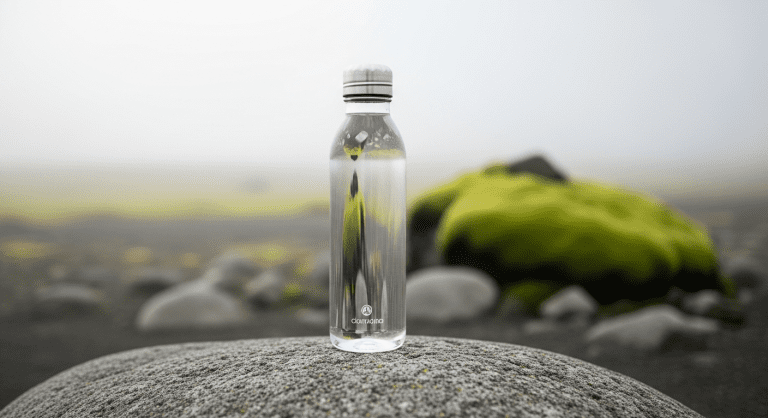

Hydration for Teens in Iceland: The Ultimate Science-Backed Guide to Staying Energized
Not drinking enough water? For Icelandic teens aged 12-16, hydration is a game-changer for energy, focus, and health. But with cold weather, busy schedules, and lots of distractions, it’s easy to forget about reaching for a glass of water. In this science-backed guide to hydration for Icelandic teens, you’ll discover exactly how much water you need, why it matters, and practical daily habits to keep your energy and focus high—whatever the season.
Why Hydration Matters for Teens in Iceland
Water isn’t just for the gym. Teens in Iceland face unique hydration challenges, from chilly weather and dry air to intense study schedules and physically active lifestyles. Proper hydration supports your:
- Brain function: Keeps you focused and sharp in school.
- Physical performance: Boosts energy during sports or outdoor activities.
- Skin health: Helps prevent dryness, especially in harsh Icelandic winters.
- Immunity: Supports your body’s natural defenses.
- Growth: Essential for healthy development during your teen years.
Studies, such as those from CDC Nutrition for Teens and WHO on adolescent health, show that even slight dehydration can lead to reduced concentration, headaches, and mood swings in young people.
How Much Water Should Icelandic Teens Drink Every Day?
While individual water needs vary (age, activity level, climate), experts recommend:
- Boys 12-16: about 2.3 – 2.7 liters (9-11 cups) per day
- Girls 12-16: about 2.0 – 2.4 liters (8-10 cups) per day
This doesn’t mean you have to count every sip! These totals include all fluids—water, milk, tea (sugar-free), and even the water in fruits and vegetables.
Tip: In cold, dry weather (like Icelandic winters), you might not feel as thirsty, but your body still loses water through breath and skin. Don’t wait to feel thirsty—make hydration a habit.
What Counts as “Good” Hydration?
- Pale yellow urine is a sign you’re hydrated.
- Avoid excess sports drinks and sugary sodas—they dehydrate over time.
- Eat water-rich foods: cucumber, melon, oranges, apples, berries.
Easy Habits to Stay Hydrated (Even When You Forget!)
- Start each morning with a glass of water. Prime your body for an energized day—before coffee or cocoa.
- Carry a reusable water bottle. Make it part of your daily routine. Decorate it to make it YOURS!
- Set water reminders. Use your phone, watch, or even mark your school notebook to prompt regular sipping.
- Pair water with meals and snacks. Make it a non-negotiable part of eating.
- Drink before, during, and after sports. Don’t wait until the end—hydrate consistently for max performance.
- Flavor your water naturally. Add berries, citrus slices, or mint for variety—skip sugary drink mixes!
Bonus: Challenge your friends to a “hydration streak”—see who can drink enough water for a whole week. Support makes it fun and helps build habits!
Common Hydration Mistakes (and How to Avoid Them)
- Mistake: Only drinking when thirsty.
Fix: Sip throughout the day, not just when you feel thirsty—especially in winter! - Mistake: Choosing soda or energy drinks over water.
Fix: Water should always be your first option. Limit sweet drinks to occasional treats. - Mistake: Ignoring hydration during cold weather.
Fix: Dry air and heated buildings cause fluid loss—even if you’re not sweating.
Water, Sports Drinks, or Something Else?
For most teens, plain water is perfect. Sports drinks (isotonic drinks) should only be used if you’re training at high intensity for over an hour—otherwise, they add unwanted sugar and calories.
Milk is a great source of hydration and important nutrients for growing teens, while herbal tea (unsweetened) adds variety.
- Skip: Energy drinks and high-sugar sodas—they dehydrate and impact sleep and mood.
- Try: Infused water with local Icelandic berries and herbs.
For a deep dive on natural gut health and hydration tips, check this comprehensive guide to gut health (relevant for all ages!).
Signs of Dehydration All Icelandic Teens Should Watch For
Recognizing dehydration early can prevent bigger problems. Watch for:
- Headaches and irritability
- Tiredness or trouble concentrating
- Mouth or skin feeling dry
- Dark yellow urine
- Dizziness or lightheadedness
If you notice more than one of these signs, drink water and rest. Build these hydration safety tips into your wellness routine—similar to the strategies recommended in this brain health guide (the science applies to every age!).
Special Hydration Considerations for Icelandic Teens
- Active lifestyles: Teens participating in sports, hiking, or winter activities may need more fluids. Drink before, during, and after activity.
- Cold climate impact: Extra layers and dry air cause more water loss through breath and skin. Keep a bottle handy, even if you’re not sweating.
- Screen time: Focusing on tablets, phones, or gaming for long periods tends to distract from thirst signals. Pause and take a water break every hour.
For more wellness and preventive care tips relevant to teens and parents, this step-by-step guide for long-term wellness is a solid reference.
FAQs about Teen Hydration in Iceland
How do I know if I’m drinking enough water?
Aim for pale yellow urine, normal energy levels, and good focus. If you feel tired, moody, or have headaches, increase your fluid intake.
Can I drink too much water?
Yes—though it’s rare for teens who drink normally. Avoid extreme “water challenges.” Listen to your body: if you feel bloated or nauseous after water, slow down.
What drinks should I avoid for optimal hydration?
Limit sodas, energy drinks, fruit juices, and sweetened teas. They can add sugar and dehydrate over time.
What are some fun ways to flavor water?
Try adding sliced cucumber, lemon, lime, berries (like lingonberries or blueberries), or fresh mint for variety.
Does food count toward my fluid intake?
Absolutely! Eating plenty of fruits and veggies helps your hydration. Watermelon, oranges, and cucumber have high water content.
Conclusion: Make Hydration a Daily Icelandic Teen Superpower
Staying hydrated fuels your mind, body, and mood. For teens in Iceland, water is the simplest, safest, and healthiest way to boost daily energy and unlock your full potential. Build lifelong habits by making water easily accessible and fun—whether you’re at home, school, or exploring Iceland’s stunning landscapes.
- Carry your water bottle—decorate it to match your style!
- Have a glass of water with every meal and snack.
- Recognize and respect your body’s hydration signals.
Exploring overall wellness habits for young people? Check out our meditation for better sleep guide and learn how hydration, mindfulness, and sleep work together for peak performance.
Remember: “Strong minds and bodies start with strong hydration habits.” Start today—and stay energized, no matter the weather!




0 Comments