



Gut Health for 51-60 Year Olds in India: Proven Tips for Optimal Digestion & Immunity (2025 Guide)
Gut health is often overlooked, but for older adults in India (51-60 years old), it’s crucial for smooth digestion, strong immunity, and overall well-being. With age, our digestive system changes, making it even more important to support our gut with science-backed habits. In this actionable guide, you’ll learn how to improve your gut health with simple, proven strategies tailored for Indian lifestyles and concerns.
Why Gut Health Matters After 50
As you grow older, your gut microbiome—the collection of bacteria and other microbes in your digestive tract—naturally changes. This can lead to issues like constipation, bloating, decreased nutrient absorption, and a weakened immune system.
- Digestive efficiency decreases
- Immune function is more vulnerable
- Sensitivity to foods increases
- Risk of chronic disease rises (e.g., diabetes, arthritis, cardiovascular conditions) [Harvard Health]
Optimizing your gut health can help you enjoy more energy, better moods, and improved disease resistance—building resilience as you age.
Primary Causes of Poor Gut Health in Indian Seniors
- Low fiber diets (over-reliance on refined grains, low vegetable intake)
- High consumption of fried or spicy foods
- Inconsistent meal timings, skipping breakfast
- Frequent antibiotic use or self-medication
- Lack of physical activity and chronic stress
- Not drinking enough clean water
Small lifestyle changes can make a dramatic difference for your digestion and overall health.
Top Proven Ways to Boost Gut Health Naturally
1. Prioritize Fiber-Rich Indian Foods
Fiber is fuel for your gut bacteria. Indian cuisine is rich in fiber sources if you make some smart swaps:
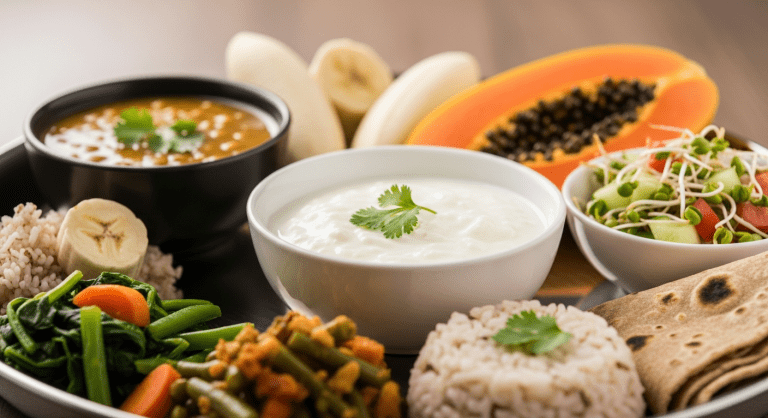
- Choose wholewheat rotis/chapatis, brown rice, millets like jowar, bajra, ragi.
- Add more beans and lentils: rajma, chana, masoor dal, toor dal.
- Include lots of seasonal veggies—spinach (palak), pumpkin (kaddu), okra (bhindi).
- Fresh fruits (guava, apple, orange, berries, papaya) for snacks and salads.
Aim for 20–30 grams of fiber daily for optimal gut health.
2. Eat Fermented Foods Regularly
Indian diets naturally offer gut-friendly, fermented options:
- Homemade curd (dahi) and buttermilk (chaach)
- Idli, dosa, dhokla (fermented batter dishes)
- Traditional pickles (achar; in moderation due to salt/oil)
These foods deliver healthy probiotics that restore gut flora and improve digestion. Aim for one serving daily.
3. Hydrate Smartly
Dehydration slows digestion and raises constipation risk. Seniors should:
- Drink 6–8 glasses of clean, filtered (or boiled) water daily
- Try warm water with lemon in the morning—gentle digestive stimulant
- Add herbal teas like ginger or mint instead of sugary sodas
Set phone reminders if you tend to forget!
4. Limit Ultra-Processed and Very Spicy Foods
Deep-fried snacks, packaged foods, and highly spicy curries can disrupt your gut and may trigger reflux or gastric issues in your 50s and 60s.
- Choose oven-baked or air-fried snacks over deep-fried ones
- Reduce red chili powder and artificial flavor enhancers
- Avoid overuse of antibiotics; always finish prescribed courses
Reducing these foods quickly improves gut comfort and reduces inflammation.
5. Stay Active—Movement Matters
Regular physical activity helps stimulate digestion and gut motility:
- 30 minutes daily walking, yoga, or simple stretches (e.g., beginner yoga & meditation here)
- Gentle ab exercises—seated twists, cycling legs while lying flat
- Avoid sitting for long periods post-meals
If you have a chronic condition, check with your doctor before starting new routines.
6. Manage Stress for a Healthier Gut-Brain Axis
Chronic stress can worsen gut problems such as acidity and IBS (irritable bowel syndrome). Try:
- Simple breathing exercises (pranayama, deep belly breathing)
- Meditation for 10 minutes daily to calm the mind
- Connecting with friends, family, or pursuing hobbies
- Seek support if you experience prolonged anxiety or depression
Stress management directly boosts digestive health and comfort.
7. Consider Targeted Supplements (When Advised by Doctor)
Sometimes, a probiotic supplement can help if digestion is weak or after a course of antibiotics. Check with your doctor about:
- Probiotic capsules (with strains like Lactobacillus and Bifidobacterium)
- Fiber supplements (psyllium husk/isabgol)—to relieve constipation
- Multivitamins if your diet is limited
Never self-prescribe; always discuss new supplements with a healthcare provider.
8. Get Screened for Digestive Issues
After age 50, screening for colon health (such as endoscopy, stool tests) is recommended—especially if you have a family history of digestive cancers, dramatic weight loss, or ongoing digestive symptoms.
Early detection helps prevent complications. Read WHO’s digestive health tips for seniors.
Sample Day: Gut-Friendly Indian Meal Plan (For 51-60 Year Olds)
| Meal | Sample Menu |
|---|---|
| Breakfast | Oats/poha with veggies + glass of buttermilk; or Moong dal chilla |
| Mid-morning | 1 fruit (guava/orange/papaya); handful of nuts |
| Lunch | 1-2 whole wheat rotis + dal + sabzi + salad + small bowl of curd |
| Snack | Sprouts chaat or roasted chana or low-oil dhokla |
| Dinner | Brown rice + mix veg curry + cucumber raita; or lightly spiced khichdi + sautéed greens |
| Bedtime | Warm herbal tea (ginger, fennel, or chamomile) |
Common Mistakes That Harm Gut Health After 50
- Skipping meals or irregular meal patterns
- Relying heavily on painkillers/NSAIDs (can irritate gut lining)
- Eating very late at night
- Neglecting dental health—poor oral hygiene can imbalance your gut flora
- Not getting enough sleep (target 7–8 hrs per night for repair)
How Indian Lifestyle & Climate Affect Gut Health
The Indian climate (hot/humid in many states) makes you more prone to dehydration—especially in summer. Spicy foods, while tasty, can irritate sensitive guts in older adults.
- Drink safe water to avoid infections; boil or use trusted filters
- Practice safe food handling to prevent food poisoning (especially during monsoon)
- Use seasonal, locally grown produce for the best nutrition and freshness
The right habits can help you thrive, not just survive, in your 50s and 60s.
FAQs About Gut Health for Older Adults in India
1. What are the signs of an unhealthy gut?
Common signs include frequent bloating, gas, constipation, diarrhoea, heartburn, food intolerances, and frequent tiredness. Mood swings and poor sleep are also linked to gut imbalances.
2. Are probiotics safe for seniors?
Probiotics from foods like curd, chaach, and fermented dishes are safe for most. Supplements can help but check with a doctor before starting, especially if you have a weakened immune system or chronic illness.
3. Can better gut health help immunity?
Absolutely! Around 70% of your immune system is in the gut. Strengthening your gut boosts resistance to infections and speeds up recovery from illnesses [NIH Research].
4. How can I prevent constipation naturally?
Eat more fiber, drink plenty of water, and move daily. Isabgol (psyllium husk) in warm milk is an effective traditional home remedy.
5. What foods should I limit for better gut health after 50?
Avoid ultra-processed snacks, high-sugar/fat sweets, carbonated drinks, and excessive spicy or fried foods. These worsen gas and bloating.
6. Does sleep affect my digestion?
Yes. Poor sleep impairs the gut–brain axis, making you more prone to indigestion and slowed motility. Aim for consistent bedtime and 7–8 hours per night. Learn more in our sleep guide.
Conclusion: Your Gut Health Action Plan (Indian Seniors 51-60)
Supporting your gut is easier than you think: Focus on fiber, add probiotic-rich foods, hydrate, move your body, and reduce processed and very spicy foods. Pay attention to stress and get regular checkups. Gut health is central to vitality, immunity, and quality of life in your 50s and beyond. Small changes can yield lasting benefits—for digestion and your whole body.
Quick Action Steps
- Swap white rice/maida for whole grains and millets.
- Eat curd or chaach daily.
- Drink 6–8 glasses of safe water.
- Move for at least 30 minutes daily.
- Limit ultra-processed and deep-fried foods.
- Practice daily stress-busting techniques (meditation, deep breathing).
- See a doctor if you have chronic symptoms.
Further Reading & Internal Links
- Gut Health Guide for Adults 31–40
- Natural Gut Health Tips for Young Adults
- Sleep Quality Guide (Adults, Switzerland)
- Preventive Wellness for Longevity
Want to future-proof your health? Start with your gut. For easy, science-backed wellness habits, follow our upcoming guides.




0 Comments