



Minimalism for Mature Adults in the UK: A Practical Guide to Declutter and Reclaim Your Space
Minimalism isn’t just a buzzword; it’s a growing lifestyle choice that is changing lives across the UK. For 41-50 year olds—a dynamic group often juggling careers, family, and responsibilities—adopting minimalism can be the secret to unlocking less stress, more clarity, and a truly purposeful home.
This detailed guide will show you exactly how to get started, common mistakes to avoid, and proven strategies to create a more peaceful, organized life using minimalism’s core principles. If you want your home and mind to feel lighter, read on!
What Is Minimalism? Why Is It Trending for UK Adults Aged 41-50?
Minimalism is the intentional practice of removing excess—whether it’s physical items, time commitments, or mental clutter—to make room for what truly matters. In the UK, mature adults are increasingly embracing this philosophy to:
- Regain control over their homes and schedules
- Reduce stress caused by clutter and disorganization
- Enjoy less cleaning, more free time, and a renewed sense of calm
- Ensure their environment reflects their current priorities and values
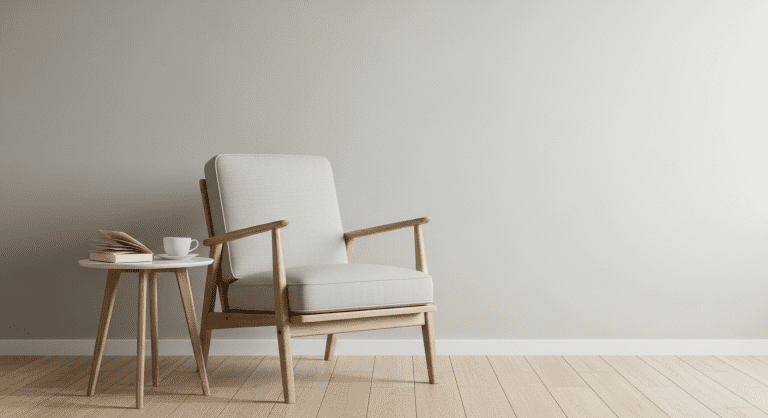
Minimalism is not about deprivation or empty rooms. It’s about living purposefully with less—so every possession earns its place in your life.
Benefits of Minimalism for 41-50 Year Olds in the UK
- Improved mental clarity and reduced anxiety
- More time for hobbies, family, and self-care
- Financial savings due to more thoughtful purchases
- A home that’s easier to clean and maintain
- Greater appreciation for what you truly value
- Eco-friendlier lifestyle with less waste
For research-backed insights on decluttering’s mental health benefits, see Mind UK’s Wellbeing Resources.
How to Start Minimalism: Step-by-Step Guide for Mature Adults
- Set Your Minimalism Intentions
- Ask yourself: What do I hope to gain from living with less?
- Common answers: more peace, simpler routine, financial freedom
- Start Small—One Room at a Time
- Begin with the area causing you the most stress (bedroom, kitchen, or living room)
- Avoid trying to overhaul your whole home at once—consistency is key
- The Four-Box Declutter Method
- Label boxes: Keep, Donate, Sell, Recycle
- Handle each item once and decide where it belongs
- Question Every Item
- Do I use this regularly?
- Does this serve my current lifestyle?
- Can I replace it easily if needed?
- Dispose Responsibly
- Donate to local UK charities (e.g., British Heart Foundation)
- Recycle electronics at council centres
- Establish the One-In, One-Out Rule
- For each new item you buy, let go of one you no longer need
- Maintain Regular Decluttering Sessions
- Set a calendar reminder—monthly or seasonally works best
Pro Tip: Document your progress with before-and-after photos to stay motivated!
Common Mistakes to Avoid When Decluttering
- Trying for Perfection: Minimalism is about progress, not perfection
- Tossing Sentimental Items Too Soon: Store these in a “maybe” box and revisit after a month
- Not Setting Boundaries: Discuss minimalism goals with family members to prevent conflicts
- Neglecting Digital Clutter: Organize emails and files for a cleaner digital life (NHS Wellbeing Tips)
- Impulse Relapses: Pause before making purchases; ask if they align with your newfound intent
12 Essential Minimalist Habits for UK Adults (41-50)
- Declutter finances—review subscriptions and expenses yearly
- Automate savings for financial simplicity
- Streamline daily routines (meal prep, capsule wardrobes)
- Embrace mindfulness—enjoy one thing at a time
- Value experiences over possessions; spend on travel or learning
- Digitize important paperwork to reduce physical storage
- Clear surfaces regularly for instant visual calm
- Designate a “drop zone” for incoming mail and keys
- Practice gratitude for what you already own (see this 5-step gratitude guide)
- Limit social media notifications for more mental space
- Opt out of junk mail and marketing emails
- Schedule quarterly wardrobe edits
Minimalism and Work-Life Balance: Unlocking Greater Satisfaction
Clutter doesn’t just affect your home; it impacts your mental bandwidth and overall work-life satisfaction. By simplifying your space, you’ll likely notice improved focus, better sleep, and enhanced energy to enjoy life.
For more on balancing minimalism with everyday routines, see these proven minimalist habits.
Comparison Table: Minimalism vs Traditional Living
| Aspect | Minimalism | Traditional Living |
|---|---|---|
| Home Environment | Simplified, clutter-free | Often crowded with unused items |
| Financial Impact | Lower spending, mindful purchases | Frequent, impulsive buying |
| Mental State | Calm, focused | Distracted, anxious |
| Time Management | Less cleaning, more free time | More chores, less downtime |
Minimalism for Couples and Families: Practical Tips
- Open communication: Discuss values and boundaries with your partner and children.
- Involve everyone: Let each family member declutter their own areas when possible.
- Celebrate progress together: Take time to enjoy your simplified home.
Find more on building habits alongside your partner in our expert relationship tips.
FAQ: Minimalism for 41-50 Year Olds in the UK
1. What if my family doesn’t want to downsize with me?
Start with your own belongings to show the benefits of minimalism. Communicate openly, and avoid forcing others; results and example are persuasive over time.
2. How do I handle sentimental items?
Keep truly meaningful items, but photograph or digitize others to preserve memories without the clutter. Use a “maybe” box as a cooling-off step.
3. Do I need to get rid of everything?
No, minimalism is personal. Keep what serves you now. The goal is to choose quality and value—not quantity.
4. Is minimalism expensive to start?
No, most people save money by buying less and selling or donating excess.
5. What if I get stuck or overwhelmed?
Take breaks, focus on small wins, and join UK minimalism meetups or online forums for support.
Conclusion: Your Minimalist Lifestyle Starts Now
Minimalism is a journey—one that pays back in clearer minds, cleaner spaces, and greater life satisfaction. For mature adults in the UK, it’s a powerful tool to reduce overwhelm, boost happiness, and create a home that truly supports your current life stage.
Ready to start? Pick one room, set your intention, and begin your declutter journey today. You’ll be amazed at how quickly positive changes stack up!
Actionable Takeaways
- Start small and stay consistent—progress counts
- Involve your family but respect each person’s pace
- Focus on building minimalist habits (not just a one-off clean-out)
- Prioritize your own peace, happiness, and purpose over acquiring more




0 Comments