


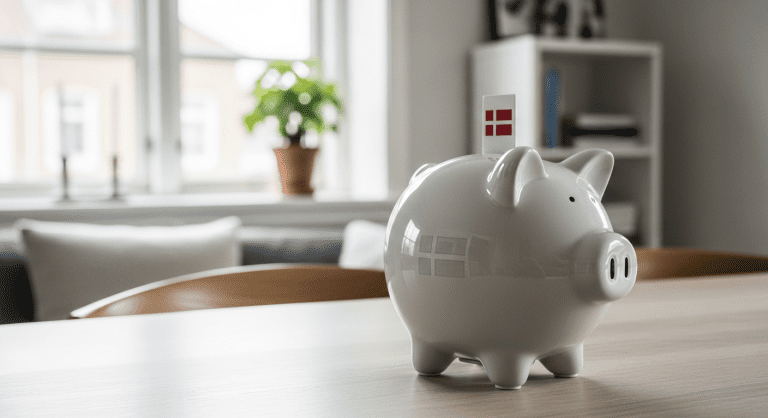

How to Build an Emergency Fund: Step-by-Step Guide for 41-50 Year Olds in Denmark
Is your financial safety net ready for life’s unexpected twists? If you’re in your 40s or 50s and living in Denmark, building—and protecting—an emergency fund is a crucial move for long-term financial security. In this practical guide, you’ll discover the best strategies, tools, and tips to create a foolproof emergency fund tailored to your life stage and Denmark’s unique financial landscape.
Why Every 41-50 Year Old in Denmark Needs an Emergency Fund
Emergencies happen—unexpected expenses, health issues, job changes, or housing costs can arise in a flash. If you’re 41-50, you likely have dependents, mortgages, or major commitments. An emergency fund acts as a buffer, so you don’t dip into high-interest loans or disrupt long-term savings goals.
- Danes face higher living costs and taxes: Having cash on hand prevents unnecessary borrowing against expensive consumer loans.
- Financial security reduces stress: Peace of mind helps with mental and physical well-being.
- Denmark’s generous social safety nets are helpful, but do not cover everything—especially sudden job loss or urgent repairs.
How Much Should Your Emergency Fund Be?
The ideal is 3–6 months’ worth of essential expenses—but how do you calculate that for a Danish household in your age group?
Step 1: List All Critical Expenses
- Mortgage or rent
- Utilities (el, vand og varme)
- Groceries
- Healthcare/co-pays not covered by Sygesikringen
- Insurance premiums
- Transport
- Debt repayments
- Children’s essentials
Step 2: Calculate Your Monthly Minimum
Add up your essentials—aim for a realistic figure. For many in Denmark, this ranges between 18,000–30,000 DKK per month for a family.
Step 3: Choose Your Fund Size
- 3 months = Short-term safety net (lower risk tolerance, dual salary household)
- 6+ months = Extra security (self-employed, single income, or variable pay)
Where to Keep Your Emergency Fund in Denmark
Your emergency fund must be safe, accessible, and separate from everyday money. Consider these proven options:
- High-yield savings account (Højrentekonto): Earns interest, covered by EU deposit guarantee (up to €100,000).
- Term deposits (Indlånskonto): For funds you won’t need instantly, but with limited restrictions.
- Avoid investing emergency funds in stocks, funds, or volatile instruments—risk of loss is too high.
Step-by-Step Roadmap: Building Your Emergency Fund After 40
1. Audit Your Expenses
- Track spending for 1-2 months. Apps like Spiir or mobile banking categorize where your DKK is going.
- Find Danish budgeting apps here.
2. Set a Realistic Savings Goal
- Pick a target (e.g., 100,000 DKK for 4 months’ coverage).
- Break it down: Save 8,400 DKK/month = 100,000 DKK in a year.
3. Automate Your Savings
- Set up an automatic transfer right after payday.
- Keep your emergency account separate from daily banking.
4. Reduce “Leakage” Expenses
- Cancel unused subscriptions or streaming services.
- Shop with a grocery list and meal plan—food costs are high in Denmark.
- Review insurance policies for competitive offers (use sites like Forsikringsguiden.dk).
5. Boost Savings With Bonuses or Tax Refunds
- Direct holiday pay (“feriepenge”) or tax refunds straight into your emergency fund.
- Sell unused household items for quick cash boosts.
Common Mistakes to Avoid
- “Dipping in” for non-emergencies. Resist the urge to use your fund for holidays, small appliances, or “nice to haves.”
- Parking money in shares, crypto, or mutual funds. Your fund must be liquid and safe.
- Skipping insurance. Good health, life, and home policies are essential in Denmark.
Pro Tips for Danish 41-50 Year Olds
- Review your emergency fund annually—factor in inflation or new expenses like braces, home repairs, or education.
- Talk with a certified financial advisor (Finanstilsynet) for personalized advice.
- Consider an “opportunity fund” for extras—so you never raid your emergency stash.
Action Plan: Start Today
- Open a high-yield savings account for your emergency fund.
- Calculate your monthly essentials and set a savings target.
- Automate contributions—even a small amount.
- Review your progress each quarter.
Building your fund is a marathon, not a sprint. Every DKK counts toward your peace of mind!
FAQs About Emergency Funds in Denmark
How fast should I build my emergency fund?
There’s no “perfect” speed—aim for steady monthly contributions. Even DKK 2,000/month grows fast over two years.
Should my fund go in a Danish or Euro account?
Keep your fund in Danish kroner to avoid currency risks and ensure fast access.
Does the Danish government help in emergencies?
Yes, with unemployment or welfare benefits—but processing takes time and may not cover initial costs.
Is it safe to use investment apps for my emergency fund?
No. Invested money carries risk of loss or market delays. Use bank accounts covered by the EU guarantee instead.
What’s the difference between an emergency fund and other savings?
Emergency funds are for “must fix it now” situations. Other savings are for goals like holidays, upgrades, or future plans.
When should I use my emergency fund?
Only for real, unavoidable expenses like urgent medical, job loss, or home repairs—never for planned costs.
Conclusion: Secure Your Future With a Danish Emergency Fund
Building an emergency fund is the foundation of financial resiliency for 41-50 year olds in Denmark. It cushions against the unexpected, supports your family, and keeps long-term goals on track. Start today, automate your savings, and review your progress regularly. Your future self will thank you for your foresight and discipline.
Actionable Takeaways
- Calculate your essential expenses and target a 3-6 month buffer.
- Choose a safe, high-yield account for your fund.
- Automate contributions and treat your emergency fund as untouchable cash.
- Review and adjust your fund size annually as your situation changes.




0 Comments