


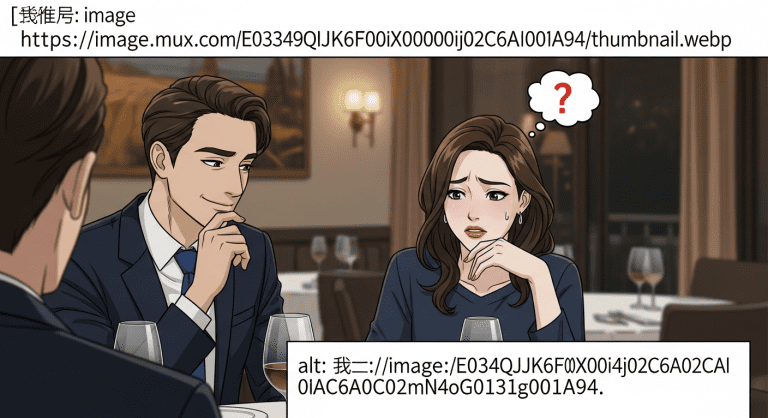

Negging in Dating: What It Means, Why It Happens, and How To Handle It
Negging is a controversial dating tactic that’s been making headlines and trending on social media. Whether you’ve heard the term on TikTok, encountered it in dating forums, or are just curious, understanding negging is crucial for protecting your emotional well-being and building healthy relationships.
This article covers what negging is, why people use it, signs to watch for, how it differs from normal teasing, and—most importantly—effective ways to respond. If you want to avoid toxic relationship patterns and prioritize respect in dating, you’re in the right place!
Table of Contents
- What Is Negging?
- Common Examples of Negging
- Why Do People Neg?
- Negging vs. Healthy Teasing: How To Spot the Difference
- How To Respond to Negging
- Healthier Alternatives To Negging
- FAQ: People Also Ask
- Conclusion & Takeaways
What Is Negging?
Negging is when someone delivers a backhanded compliment or mild insult to undermine another person’s confidence, especially in a dating context. It’s often used as a form of manipulation to make the receiver feel insecure and more eager to seek the negger’s approval.
This tactic was popularized by “pickup artist” communities but is widely rejected by modern relationship experts as unhealthy and emotionally damaging (Psychology Today).
- Primary Goal: Lower the target’s self-esteem or comfort level
- Intent: Gain power or create an emotional need for validation
- Settings: Common in casual dating, bars, online dating apps
Common Examples of Negging
- Backhanded compliments: “You look pretty good for your age.”
- Undermining remarks: “You’re smarter than you look.”
- Comparisons: “Most girls here are boring, but you seem okay.”
- Condescending jokes: “Wow, you actually understood that? Nice!”
- Subtle put-downs: “That dress isn’t my favorite, but it works for you.”
Negging can also show up as “teasing” that leaves you feeling confused, insecure, or desperate for approval. That’s a key sign you’re being negged—not just teased! (VeryWellMind)
Why Do People Neg?
People resort to negging because they believe it will give them an edge in dating or flirting. Here’s why some use this tactic:
- To lower your self-esteem so you seek their approval
- Because of low self-confidence in themselves
- To gain control or perceived “power” in social situations
- Imitating “pickup artist” methods seen online or in pop culture
- Unaware that their behavior is manipulative or harmful
According to relationship psychologists, negging often stems from a place of insecurity or immaturity rather than genuine confidence.
Negging vs. Healthy Teasing: How To Spot the Difference
Many people confuse negging with playful teasing. Here’s how to tell them apart:
| Negging | Healthy Teasing |
|---|---|
| Feels like a put-down | Feels lighthearted and fun |
| Causes insecurity or self-doubt | Builds bonds, never undermines |
| Designed to control or manipulate | Affirms mutual respect and attraction |
| Leads to seeking the other’s approval | Leads to smiles and laughter |
If you find yourself second-guessing your self-worth or feeling uneasy after their comments, chances are it’s negging, not good-natured flirting.
How To Respond to Negging
If you suspect you’re being negged, try these responses:
- Set boundaries: Tell the person their comment wasn’t funny or appreciated.
- Call out the behavior: “Did you mean that as a compliment or an insult?”
- Stay confident: Don’t let the remark shake your self-esteem. Respond with self-assuredness or redirect the conversation.
- Walk away: If the negging continues or feels malicious, remove yourself from the situation.
- Trust your gut: If you’re uncomfortable, you have every right to leave or stop communication.
Remember: You deserve respect in every interaction. Never feel pressured to accept toxic behavior as “just flirting.” For more advice on building healthy relationships, see our breakup guide and relationship tips.
Healthier Alternatives To Negging
Instead of negging, try these mature, attractive ways to flirt:
- Sincere compliments: Point out things you genuinely appreciate
- Playful, positive teasing: Only when you have a clear, respectful bond
- Active listening: Show interest in their thoughts and opinions
- Confident but kind banter: Humor rooted in respect, not humiliation
- Authentic vulnerability: Share something personal in return
For further tips, read our advice on attracting women and Psychology Today’s guide to stopping negging.
FAQs About Negging (People Also Ask)
What are signs someone is negging me?
Signs include frequent backhanded compliments, comments that make you feel “less than,” and a sudden urge to win their approval, even though the conversation feels uncomfortable or one-sided.
Is negging ever acceptable in dating?
Negging is always manipulative and unhealthy. Even if it starts playfully, it can erode confidence and trust, so it’s best avoided in genuine relationships.
How do I confront a negger without drama?
Keep it simple: “That sounded a bit mean. Could you talk to me with more respect?” You set the standard for how people treat you.
Can negging actually work?
While it might create a temporary emotional reaction, healthy, lasting attraction is never built on manipulation or put-downs. Experts agree genuine connection outlasts “pickup” tactics every time.
What should I do if I keep attracting people who neg?
Reconnect with your own self-worth and boundaries. Consider reading relationship slump recovery tips and seek supportive connections that respect your value.
Conclusion & Next Steps
Negging in dating isn’t clever, it’s toxic. It’s used by insecure people as a shortcut to gain attention, but it never creates meaningful relationships. By recognizing negging and responding with confidence, you set strong boundaries and protect your self-worth.
Remember: you deserve genuine respect, attraction, and communication. If you notice any hints of negging, speak up or walk away—your emotional health comes first. Explore more articles on healthy dating, effective ways to ask someone out, and how to handle toxic dating patterns to stay empowered and positive on your journey.




0 Comments