



Budget Travel Tips for Young Adults in Iceland: How to Explore Without Breaking the Bank
Iceland is a dream destination for many, known for its stunning landscapes, waterfalls, and unique culture. But traveling to Iceland can seem expensive, especially for young adults aged 23-30 who want to see the best of the country without overspending. In this comprehensive guide, you’ll discover the top budget travel tips for Iceland, practical advice on saving money, and how to have a memorable, affordable trip as a young traveler.
Looking for the most effective ways to cut costs in Iceland? These tips are designed to match the specific needs and challenges young adults face when traveling on a budget. Whether you’re planning a solo trip, a group adventure, or anything in between, you’ll find everything you need right here.
Why Is Iceland So Expensive – And Can You Really Travel on a Budget?
Iceland consistently ranks among the world’s most expensive travel destinations. Food, accommodation, and activities often carry a high price tag due to the country’s remote location and import costs. However, young travelers with smart planning and the right strategies can still experience Iceland’s beauty without financial strain.
- Planning ahead is crucial for finding affordable options.
- Flexibility leads to more savings and unique experiences.
- Embrace Iceland’s natural wonders, most of which are free or low-cost.
Top Budget Travel Strategies for Young Adults in Iceland
1. Visit During the Shoulder Seasons
For better deals on flights and accommodation, consider traveling to Iceland in late spring (May–early June) or early fall (September–October). Crowds are smaller, and prices can be up to 30% lower compared to peak summer months.
2. Choose Hostels, Guesthouses, or Camping
Accommodation is the biggest expense for many travelers. Young adults can save significantly by:
- Staying at hostels (see Hostelworld for options)
- Booking guesthouses via local platforms like Visit Iceland
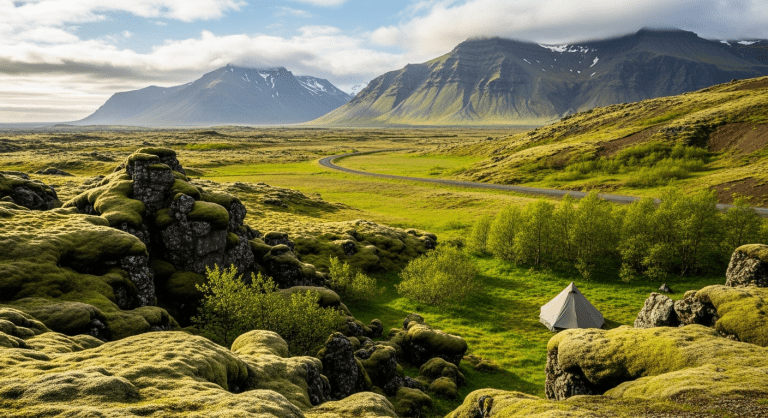
- Camping (allowed in most areas for a small fee or even free if you follow local rules)
Pro tip: Pack a lightweight tent and sleeping bag to maximize flexibility and savings.
3. Prepare Your Own Meals
Eating out in Iceland is costly. Groceries and cooking your own meals saves a lot. All major towns have supermarkets like Bónus, Krónan, and Netto, where you can buy affordable food staples. Many hostels and campsites have shared kitchens.
- Buy ingredients for simple dishes (pasta, sandwiches, Icelandic skyr)
- Carry reusable water bottles—tap water in Iceland is safe and delicious
- Splurge only on must-try local delicacies like lamb soup or seafood when your budget allows
4. Get Around Using Budget-Friendly Transport
Car rentals are convenient but expensive. Cheaper alternatives include:
- Public buses (see Strætó for routes and prices)
- Carpooling or rideshare platforms (e.g., Samferða)
- Joining group tours for specific day trips
- Walking or cycling in cities like Reykjavik or Akureyri
Consider a Bus Pass: The “Iceland On Your Own” pass can be cost-effective for longer stays.
5. Focus on Free and Low-Cost Activities
Iceland’s natural attractions are the biggest draw and generally free:
- Explore waterfalls: Gullfoss, Seljalandsfoss, Skógafoss
- Visit black sand beaches: Reynisfjara
- See geysers and volcanic landscapes like Geysir and Thingvellir National Park
- Hike scenic trails – all national parks have free public access
- Relax in natural hot springs, such as Seljavallalaug (often free or donation-based)
For more tips, see our solo road trip guide for budget travelers.
6. Book in Advance and Use Youth Discounts
Many tour companies, museums, and transport providers in Iceland offer youth discounts. Always ask or research online before booking.
- Book accommodation, tickets, and tours early for the best prices
- Carry a student/youth ID—it can get you up to 50% off attractions or bus tickets
Check European Youth Card for deals.
Best Budget-Friendly Places to Visit in Iceland
Reykjavik on a Budget
Reykjavik can be explored affordably by:
- Walking city tours (self-guided maps abound online)
- Visiting free art installations and street murals
- Enjoying local festivals and open-air events
Don’t miss the iconic Sun Voyager sculpture or Hallgrímskirkja Church—both free to view.
Golden Circle: Iconic and Inexpensive
The popular Golden Circle route is a great day trip. Rent a car with friends to split costs, or use bus tours for under €60. Also, most stops (Thingvellir, Geysir, Gullfoss) are free to enter, saving your budget for snacks and souvenirs.
South Coast Adventures
Iceland’s South Coast offers dramatic scenery that’s accessible on a budget. Highlights:
- Marvel at vast waterfalls
- Walk the black sand beaches
- Hike to hidden hot springs
For photo tips for epic shots of these landscapes, see this travel photography guide.
Essential Budget Travel Apps for Iceland
- Appy Hour – Find happy hour deals and cheap eats in Reykjavik
- Strætó – City and rural bus schedules
- 112 Iceland – Emergency and safety information
- Vedur – Accurate weather updates
- Maps.me – Offline maps for hiking and driving
These apps help you save money, maximize safety, and travel smarter across the country.
Top Money-Saving Mistakes to Avoid
- Underestimating the cost of eating out—always check menus and look for specials
- Last-minute bookings—prices rise fast, especially in peak months
- Not bringing weather-appropriate clothing—avoid buying expensive gear in Iceland
- Paying for tours you can easily self-guide, such as the Golden Circle
- Overpacking—many airlines have strict baggage fees
Pack smart and plan ahead for the best experience. This also applies to other destinations: check our road trip packing guide for more tips.
FAQs About Budget Travel in Iceland for Young Adults
How much money should a young adult budget for one week in Iceland?
On a strict budget, expect to spend around €350–€600 for a week, excluding flights. This covers basic hostels, groceries, public transport, and free activities. Costs increase if you dine out, join group tours, or rent a car solo.
Is it safe for young adults to travel around Iceland alone?
Yes, Iceland is one of the world’s safest countries for solo young travelers. Still, always follow safety tips, especially in remote areas and during unpredictable weather. For detailed solo travel safety, consult our solo travel safety guide.
Are there really free hot springs in Iceland?
Many natural hot springs are free or donation-based. Popular spots like the Blue Lagoon charge high entry fees, but alternatives such as Reykjadalur River and Seljavallalaug are often free. Always check for updated access rules.
Can I drink tap water in Iceland?
Absolutely. Icelandic tap water is clean, fresh, and perfectly safe to drink. Bring a reusable water bottle to save money and reduce plastic waste.
Do I need travel insurance for Iceland?
Yes—medical care and emergencies can be expensive if something goes wrong. Shop around for affordable travel insurance coverage that suits your needs.
What is the best way to find cheap flights to Iceland?
Use fare comparison websites, set alerts for price drops, and consider flights from multiple European airports. Traveling midweek or off-season can cut airfare costs significantly. Check Skyscanner and Kayak for deals.
Conclusion: Yes, You Can Afford Iceland as a Young Adult
Iceland doesn’t have to drain your wallet. With the right prep and smart spending, it’s possible for 23-30 year-olds to visit Iceland’s dramatic landscapes, vibrant cities, and unique culture on a modest budget. Remember:
- Travel outside peak season when you can
- Use hostels, guesthouses, or camp
- Cook your own meals and stick to free natural sights
- Opt for public transport, passes, or rideshares
- Book in advance and look for youth discounts
Now you’re ready to plan your affordable Icelandic adventure. Don’t forget to check out our budget-friendly solo travel guide and road trip essentials for even more ways to make your trip unforgettable and stress-free.
For extra inspiration on capturing this amazing journey, explore our genius travel photography tips and bring back memories to last a lifetime.
For detailed and up-to-date practical information, always refer to the official Visit Iceland and Lonely Planet Iceland.




0 Comments