


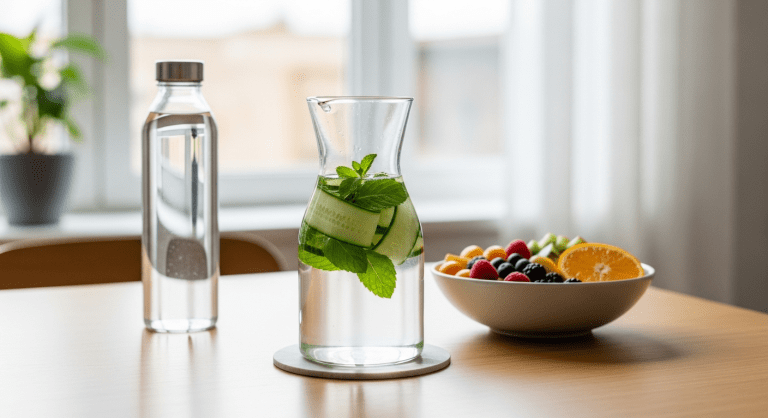

Hydration for 23-30 Year Olds in France: The Complete Guide to Staying Sharp, Energized, and Healthy
Are you in your twenties and living in France? Wondering how much water you truly need—and if hydration can actually boost your productivity, immunity, and even your skin? This comprehensive guide on hydration for 23-30 year olds in France answers every question, debunks common myths, and provides practical, science-backed strategies you can start today.
Why Hydration Matters Most in Your 20s
Your twenties mark a period of peak energy, work, and social commitments. Yet, studies repeatedly show that young adults often underestimate their daily water needs. In France, where café culture reigns and wine is integral to meals, many neglect plain water—raising the risk for fatigue, headaches, poorer cognitive function, and even skin issues (Santé publique France).
- Brain Performance: Just 1-2% dehydration can reduce alertness, reaction speed, and decision-making ability.
- Metabolism & Weight: Adequate hydration can support fat loss and digestion—a plus if you’re active or watching your waistline.
- Immunity: Proper fluid levels help your body fight off infections and flush out toxins.
How Much Water Should a 23-30 Year Old Drink Daily in France?
Forget the “8 glasses a day” myth. The amount you need depends on your body size, activity, climate, and diet. For adults aged 23-30, experts typically recommend:
- Men: About 2.5 to 3 liters (10-12 cups) per day
- Women: About 2 to 2.5 liters (8-10 cups) per day
That includes all fluids—water, herbal teas, sparkling water, and even high-water foods such as cucumber, tomatoes, and fruits [EFSA Guidelines]. However, alcohol and coffee do not count as hydrating liquids—they actually cause water loss.
Breakdown: Optimal Hydration Habits in the French Lifestyle
- After waking: 1 glass of water (kickstart your metabolism)
- With each meal: 1–2 glasses
- During and after exercise: At least 0.5–1L per hour of physical activity
- Between meals: Sip frequently
The Best Hydration Strategies for Busy 20-Somethings in France
Make Water Attractive & Accessible
- Carry a refillable bottle (French tap water is safe and sustainable!)
- Add lemon, mint, or berries for flavor
- Set phone reminders for regular sips
Hydrating Foods to Try (French-Style)
- Melon or watermelon (rich in water, great for snacks)
- Cucumbers, tomatoes, lettuce (base of many salads)
- Oranges, peaches, apples (easy to add for breakfast)
- Low-sodium soups (perfect for colder months)
Hydration and Your Skin, Focus, and Metabolism
Proper hydration can improve skin elasticity, clarity, and reduce risk of breakouts, while also helping you feel fuller (preventing mindless snacking). Recent research from the US National Library of Medicine links hydration with mental performance and fatigue prevention—things no busy twenty-something can afford to ignore.
Recognizing and Preventing Dehydration
Common Signs:
- Dry mouth or lips
- Dark yellow urine
- Headaches or trouble concentrating
- Irritability or fatigue
Quick Rescue Steps:
- Drink 1–2 glasses of water immediately
- Rest in a cool place
- If symptoms persist—especially dizziness or rapid heartbeat—seek medical attention
Frequently Asked Questions (FAQ)
1. Is tap water safe to drink across France?
Yes, tap water in France is highly regulated and safe for daily hydration. Some rural or old buildings may have old pipes—when in doubt, check with your landlord or use a filter.
2. Does coffee or wine count as hydrating?
No; both are diuretics, meaning they cause you to lose more fluids. For every cup of coffee or glass of wine, consider drinking an extra glass of water.
3. What if I exercise heavily or have a physically demanding job?
Increase your daily intake by 0.5–1 liter for every hour of intensive activity.
4. Are hydration needs different during summer in France?
Yes; hot French summers mean higher sweat rates. Increase intake by at least 500ml per day, and avoid outdoor exercise during midday heat.
5. Can you drink too much water?
It’s rare, but possible. Hyponatremia occurs if you drink extreme amounts (over 5-6L/day) without replacing salt—most common in endurance athletes. Listen to your body.
6. What are the best hydration apps or tools?
- WaterMinder
- MyFitnessPal
- Hydro Coach
Actionable Takeaways
- Carry a water bottle everywhere—fill it often and sip throughout the day.
- Watch your urine color; pale is ideal.
- Favor water-rich foods—especially in hot weather or after exercise.
- Limit sugary drinks, energy drinks, and alcohol.
- Make hydration a group challenge—team up with friends for motivation!
Summary
Proper hydration is one of the easiest and most effective ways for young adults in France to optimize energy, productivity, skin, and long-term health. Take it seriously—your body and mind will thank you!
Want to keep leveling up your health?
- Learn more about preventive wellness for longevity
- Boost your memory and focus with natural biohacking
- Discover natural gut health tips
- Improve your sleep quality with easy natural strategies
References:
Santé Publique France
EFSA (European Food Safety Authority) Water Intake Guidelines
US National Library of Medicine: Hydration and Cognitive Performance




0 Comments