


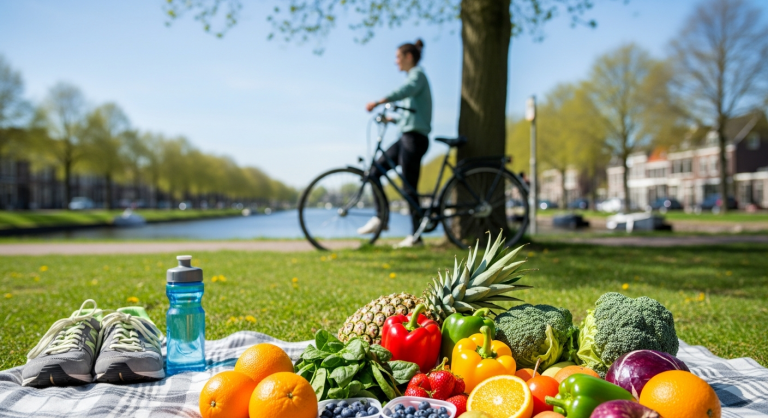

How to Improve Immunity Naturally: Essential Tips for 23-30 Year Olds in the Netherlands
Struggling with frequent colds, low energy, or feeling run-down in the Netherlands? You’re not alone. As a young adult (23-30), your lifestyle, diet, and daily habits have a huge impact on your immune system. This complete guide will show you how to boost immunity naturally, with science-backed strategies tailored for young adults in the Netherlands. Find out the best foods, habits, mistakes to avoid, and must-know tips to stay healthy year-round.
Why Is Immunity So Important in Your 20s?
For people in their 20s, life moves fast—work, social life, travel, and maybe even late nights out. But this is also the age when your immune system needs solid support. Strong immunity is your first line of defense against viruses, bacteria, and everyday stressors. It also helps with faster recovery, better energy, and resilience against chronic health issues.
- Young adults are exposed to more social contact and travel, increasing risk of infection
- Milk, cheese, and bread-heavy Dutch diets may lack diverse micronutrients
- Sleep, stress, and hydration habits are often overlooked as immune factors
Top Natural Ways to Boost Your Immune System
Here’s a step-by-step plan proven to support your immune health naturally—no expensive supplements required.
1. Prioritize Sleep Quality
- Aim for 7-9 hours of restful sleep per night. Poor sleep weakens your body’s ability to fight germs (Sleep Foundation).
- Maintain a regular bedtime, avoid screens late at night, and wind down with relaxing routines.
2. Eat Nutrient-Dense Foods
- Load up on immune-boosting nutrients like vitamin C, zinc, vitamin D, and probiotics.
- Best immune foods: oranges, bell peppers, kale, spinach, yogurt, fatty fish, garlic, and ginger.
- Include fermented Dutch classics like kefir or sauerkraut for a healthy gut microbiome.
3. Manage Stress Effectively
- Chronic stress increases inflammation and lowers immunity (CDC).
- Practice mindfulness, yoga, or meditation for 10-15 minutes each day.
- Consider digital detoxes and regular nature walks—Dutch parks and cycling routes are perfect for this.
4. Stay Physically Active (But Don’t Overdo It)
- Exercise supports immune cells. Aim for 150 minutes of moderate activity per week (cycling, walking, team sports).
- Excessive high-intensity exercise without recovery can suppress immunity—balance is key.
- Check out these functional fitness tips for young adults.
5. Optimize Hydration
- Water is crucial for all immune processes. Aim for at least 1.5-2 liters per day, increasing after exercise.
- Limit sugary drinks and alcohol, which can weaken immune response.
6. Vitamin D: The Dutch Dilemma
- In the Netherlands, sunlight can be limited much of the year, making vitamin D deficiency common among young adults.
- Try to get 10-30 minutes of sunlight when possible, consider a supplement in winter (always consult a professional).
Immune-Boosting Foods Popular in the Netherlands
| Food | Immunity Benefit | Tips to Include Daily |
|---|---|---|
| Oranges & Berries | Vitamin C power, antioxidants | Add to smoothies, yogurt, or morning oats |
| Spinach & Kale | Rich in vitamin A, C, antioxidants | Blend in soups, omelets, or salads |
| Yogurt & Kefir | Good bacteria for the gut | Enjoy as part of breakfast or snacks |
| Oily Fish (Herring, Salmon, Mackerel) | High in vitamin D, omega-3 | Have 2 servings per week |
| Garlic & Onions | Natural antimicrobials | Add to nearly any savory dish |
Common Mistakes That Harm Immunity
- Skipping meals or relying on convenience foods (harmful for micronutrient balance)
- Neglecting sleep due to social life or work hours
- Ignoring stress build-up—stress is not just “mental”
- Using too much alcohol or vaping, which compromise immune cells
- Lack of regular movement (especially in remote work setups)
Smart Lifestyle Habits for Dutch Young Adults
- Cycle or walk to work rather than drive or take transit when possible
- Schedule “tech-free” hours to help your mind reset
- Blend in traditional Dutch snacks with more fruits and veggies
- Embrace Dutch community spirit—social connectedness boosts health
- Consider an evening wind-down: herbal tea, light stretching, no screens
Tools and Resources for Tracking Your Immunity
- Use free apps (e.g., MyFitnessPal, Sleep Cycle) to track nutrition and sleep habits
- Connect with a local dietitian for personalized guidance
- Explore Dutch online platforms for healthy recipes and wellness community events
- Follow RIVM (National Institute for Public Health) for up-to-date Dutch health advice
FAQ: Immunity and Young Adults in the Netherlands
What are easy ways to improve my immunity naturally?
Prioritize sleep, eat more vegetables and fermented foods, manage stress, stay active, and get regular sunlight or vitamin D. These simple lifestyle shifts can make a big difference.
Are supplements necessary for boosting immunity?
Most young adults can get the nutrients needed from a balanced diet. If you are vegan, hardly get sun, or have dietary restrictions, consult a healthcare provider about potential needs (e.g., vitamin D, B12, or zinc).
How does alcohol and smoking impact my immune system?
Regular alcohol and smoking can suppress immune cells, increase inflammation, and leave you at higher risk for infections (see this CDC resource).
Can exercise boost immunity instantly?
Moderate, regular exercise supports long-term immune health. However, sudden, intense overtraining can actually lower immune response—balance is important.
Does the Dutch climate make immunity harder to maintain?
Shorter winter days reduce vitamin D exposure. Adjusting your diet, getting any sunlight available, and supplementing vitamin D may be needed for many Netherlands residents.
Is gut health related to immunity?
Yes! Over 70% of your immune cells live in your gut, so eating probiotic-rich foods and a high-fiber diet will help improve your overall immune response (Medical News Today).
Conclusion: Lasting Immunity Starts with Daily Habits
For 23-30 year olds in the Netherlands, building strong immunity naturally is about consistency, balance, and adapting healthy daily rituals. Focus on nutrition, sleep, activity, and mindful stress management—these small changes deliver big benefits over time. Start today, and protect your health for the long run.
Actionable Takeaways
- Get 7-9 hours of sleep, even on weekends
- Add 2+ servings of fruit & vegetables to every meal
- Move daily with the Dutch cycling or walking lifestyle
- Watch out for low vitamin D in winter—get tested if unsure
- Stay connected socially, and take regular digital breaks


0 Comments