


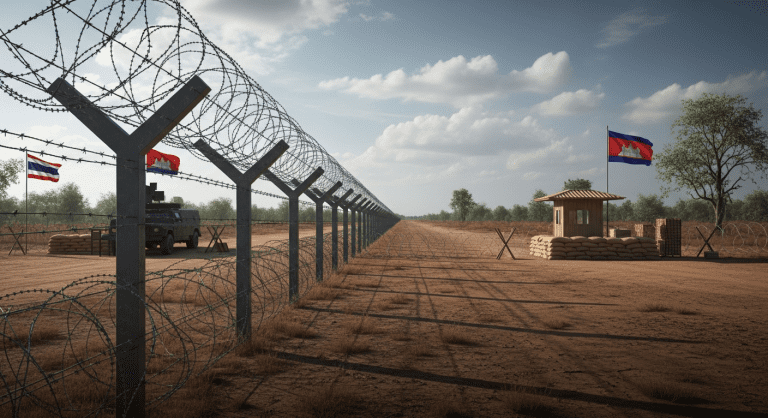

Thailand Cambodia Border Conflict 2025: Ceasefire Timeline, Causes & What’s Next?
Thailand Cambodia border conflict is trending once again in 2025 after the deadliest fighting in over a decade erupted, disrupting trade, displacing hundreds of thousands, and drawing in global powers for mediation. This article delivers a full, up-to-date overview of the 2025 clashes, ceasefires, and the root causes behind the confrontations over historical temples and territory. If you want verified facts, a clear timeline, key leaders, and the latest on the fragile peace, read on.
Thailand Cambodia Border Conflict (2025): What Sparked the Clashes?
The sparks for the 2025 Thailand Cambodia border conflict center on disputes over colonial-era borders and sovereignty claims around culturally critical temples—especially Preah Vihear and Ta Muen Thom. Tensions have simmered for decades, but this year’s violence is the most explosive since 2011, driven by:
- Conflicting historical maps and treaties
- Unresolved territorial claims at ancient Khmer sites
- Nationalist rhetoric and political maneuvering in both countries
- Border militarization and landmine dangers
The shock escalation caught the world’s attention with intense artillery, drone, and air force clashes, fueling urgent calls for peace.
2025 Timeline: From Clash to Second Ceasefire
Key Dates and Deadly Incidents
- May 28, 2025: Skirmish near Preah Vihear—1 Cambodian soldier killed.
- July 24–28, 2025: Heavy fighting across 12 border sites; includes artillery, Thai F-16 airstrikes, and drone usage. Over 48 deaths (mostly civilians), 300,000+ displaced from surrounding villages.
- July 28, 2025: Kuala Lumpur-brokered ceasefire mediated by Malaysia, U.S. President Donald Trump, China.
- September 2025: Both sides agree to remove heavy weapons and begin de-mining.
- November 2025: Ceasefire unravels after border skirmishes and landmine incident reignite mistrust.
- December 8, 2025: Thai airstrikes launched after mutual accusations, briefly closing all border trade.
- December 27, 2025: Second ceasefire agreed. Both armies to maintain positions and halt hostilities. Thailand pledges to return captured Cambodian prisoners.
Want deeper coverage of previous developments? Visit the authoritative Britannica overview or explore the detailed 2025 conflict Wikipedia page.
Key People and Political Drivers
- Thai Prime Minister Paetongtarn Shinawatra (suspended July 1 due to leaked call with ex-PM Hun Sen—politically impactful)
- Cambodian Prime Minister Hun Manet
- Thai officials: Phumtham (deputy PM), Maris Sangiampongsa (foreign minister), Gen. Natthaphon Narkphanit (army chief)
International mediation played a huge role—across both the U.S. (Trump’s team), Malaysia, and China, highlighting ASEAN’s worry about regional escalation.
Main Causes: Why Are Thailand and Cambodia in Conflict Over Temples?
The Preah Vihear temple (UNESCO World Heritage) and surrounding land have been a pivotal point of dispute. The International Court of Justice awarded the site to Cambodia in 1962, but access routes and some adjacent land have remained heavily contested. Similar disputes exist over Ta Muen Thom temple.
- Economic stakes in border trade and tourism
- Strategic border positions
- Emotional, nationalist symbolism attached to ancient Khmer heritage
Tensions are inflamed by rumors, misinformation, and historical grievances, often used for political gain at home. For more background, see this Britannica summary.
Why Is the 2025 Thailand Cambodia Border Conflict Important?
- Humanitarian cost: Over 48 killed, mostly civilians; 300,000+ displaced; refugees face border closures.
- Economic shock: Major border crossings closed, impacting Southeast Asian trade supply chains, power supply, and digital access.
- Regional risk: Escalation endangers ASEAN stability, with global powers watching closely.
- Historical precedent: Most severe border violence since 2011; potential for wider war cannot be excluded.
- Nationalist surge: Public anger, martial law declarations, and online bans have fueled anti-neighbor sentiment.
If you travel or invest in ASEAN—or follow its geopolitics—this crisis can reshape regional relations dramatically.
- See how historical conflicts shape perception by reading about leadership in political crises.
- Learn about disaster preparedness and coping in humanitarian emergencies from this urban infrastructure case.
2025 Ceasefire Breakdown and Renewal: Will Peace Hold?
Ceasefire Details
- Second ceasefire (Dec 27, 2025): Stops major hostilities, locks troop positions, sets up binational committees for joint investigation and de-mining.
- Thailand pledges to return captured Cambodian soldiers.
- International monitors (U.S., Malaysia, China) involved but wary after prior July ‘Trump mediated’ truce failed.
Despite the calm, both sides are on edge. Past experience suggests risks of repeat violations—but international pressure and joint committees could avert a new cycle of escalation.
- Review historical ceasefires for context.
- Stay updated with timelines via this comprehensive news breakdown.
For travelers: It’s best to monitor official government travel advisories before entering border areas. For analysts, joint military boards and ASEAN engagement will be critical for stability in the coming months.
Thailand Cambodia 2025 Border Conflict: Table of Key Events and Military Moves
| Date | Event | Impact |
|---|---|---|
| May 28, 2025 | Preah Vihear skirmish | 1 Cambodian soldier killed; tension flares |
| July 24–28, 2025 | Intense border battles | 12 conflict sites, 48+ deaths, 300,000+ displaced |
| July 28, 2025 | Ceasefire (Kuala Lumpur) | Temporary calm; mediated by U.S., China, Malaysia |
| November 2025 | Incidents & landmine explosion | Ceasefire under strain |
| December 8, 2025 | Thai airstrikes | Escalation, border lockdowns, power cuts |
| December 27, 2025 | Second ceasefire | Peace restored; new monitoring committees |
People Also Ask: Thailand Cambodia Border Conflict FAQs
What caused the 2025 Thailand Cambodia border conflict?
The conflict reignited over long-standing disputes about territory near Preah Vihear and Ta Muen Thom temples, with both countries claiming ancient sites and adjacent land. Political tensions and incidents such as border skirmishes and landmine explosions triggered the escalation.
How did the ceasefires break down in 2025?
The first ceasefire (July 2025) was mediated by Malaysia, the U.S. (President Donald Trump), and China but collapsed after border incidents and mutual accusations. The second ceasefire (December) came after further violence and is holding for now, but remains fragile.
Why is the border dispute so hard to resolve?
Both sides have deep-rooted historical claims and nationalist narratives tied to the temples and nearby land. Differing maps, colonial-era treaties, and local political pressures make compromise very difficult.
Is it safe to travel to Thailand or Cambodia now?
The main tourist areas remain calm, but border provinces near Preah Vihear and Surin saw military activity, closed crossings, and martial law. Travelers should regularly check official government travel advisories for updates.
Which global powers are involved in mediating the Thailand Cambodia conflict?
The U.S., China, and Malaysia have all played major roles in ceasefire mediation and conflict monitoring, given the risk to regional security and the ASEAN community.
Conclusion: What’s Next for the Thailand Cambodia Border?
The 2025 Thailand Cambodia border conflict is a stark reminder of how unresolved historical disputes and rising nationalism can spark humanitarian disaster and threaten regional peace. The latest ceasefire is a positive but precarious step, reliant on international oversight and good faith between the parties.
- Monitor future joint border committee meetings and de-mining operations for signs of lasting peace.
- Follow reputable updates on news sites and authoritative YouTube analysis.
For further context on crisis response, political leadership during turmoil, or the fallout from escalated disputes, explore these useful reads:
- Leadership in times of adversity
- Tips on building sustainable peace and relationships
- The impact of transparency in international diplomacy
Stay informed. The situation remains dynamic, but understanding the 2025 Thailand Cambodia border conflict and its roots is the first step toward constructive solutions—for travelers, investors, policy analysts, and concerned global citizens alike.




0 Comments