


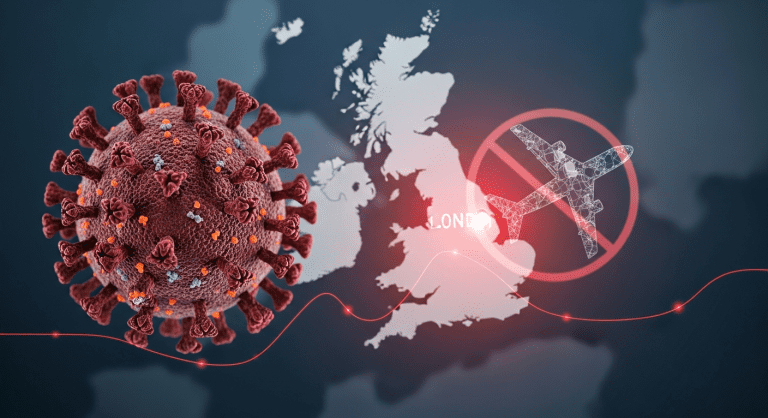

New Coronavirus Variant UK December 2020: Everything You Need to Know About the More Transmissible COVID Strain
In December 2020, UK scientists discovered a new, more transmissible variant of the coronavirus—leading to immediate government action, travel disruptions, and urgent questions about vaccines, public health, and holiday plans. This comprehensive guide breaks down the facts, timeline, government response, and what it means for you.
What Is the New Coronavirus Variant Discovered in the UK in December 2020?
In mid-December 2020, scientists in the UK identified a new variant of the coronavirus (SARS-CoV-2) responsible for COVID-19. This variant, first detected in areas such as Kent and London, quickly became a focal point due to evidence suggesting it spreads more rapidly than previous strains.
- Announced: Publicly confirmed by UK health authorities around 14–20 December 2020 (source).
- Key characteristic: Significantly increased transmissibility compared to the original form.
- Implication: Sharp rise in case numbers, prompting urgent action to prevent NHS overload.
Why Did This Variant Raise Such Alarm?
- Faster spread leads to exponential growth in cases.
- Increased pressure on hospitals already operating near capacity.
- Uncertainty about whether vaccines or treatments would still be effective (initial investigations were positive but ongoing).
- Holiday disruption: The timing before Christmas added shock and complexity for millions.
Timeline: How the UK Responded to the New COVID Variant
Key Facts and Dates
- Late November – Early December 2020: UK scientists detect unusual case patterns and genetic mutations in South East England.
- 14–20 December 2020: Public announcement that a new, more transmissible variant has been found, initially centered in Kent and London (BBC coverage).
- 19 December 2020: Prime Minister and senior ministers, including Health Secretary Matt Hancock, outline urgent policy changes at a Downing Street briefing.
Government Actions: Tier 4 Restrictions & Travel Impact
- Creation of Tier 4: South East England regions, including London, placed under the new, highest restrictions.
- Movement bans: Non-essential travel and household mixing banned, including during the holidays.
- Immediate effect: Millions face delayed or cancelled holiday and Boxing Day travel plans.
- International reactions: Several countries impose bans or restrictions on UK travelers (WHO situation report).
How Does This New UK Variant Affect You? Practical Impacts and What to Expect
- Travel plans disrupted: UK residents abroad, travelers returning home, and those planning holidays faced last-minute cancellations or became stranded.
- Social and family impacts: Many could not spend the season with family due to sudden policy changes.
- NHS under strain: Hospitals came under even more pressure, especially in affected regions.
- Public uncertainty: Ongoing confusion as guidance evolved, with many seeking support and updates.
Who Is Most Affected?
- Residents of London, Kent, and South East England in new Tier 4 zones.
- Travelers in or out of the UK, especially during the December holiday window.
- Healthcare staff and public health teams facing increased workload and risk.
- Families separated by new rules and sudden closures.
Scientific Findings: What We Know (and Don’t Know) About the New Variant
What Makes the New Variant Different?
- Mutations in the spike protein: Changes that may make the virus more successful at entering human cells.
- Higher transmissibility: Early estimates indicated it could spread up to 70% faster than previous strains (PHE technical briefing).
Does the Variant Cause More Severe Disease?
As of the December 2020 announcement, there was no clear evidence the new UK variant caused more severe illness or increased risk of death. Scientists noted, however, that higher case numbers would inevitably lead to more hospitalizations overall, potentially overwhelming the NHS.
Will the COVID Vaccines Still Work Against the UK Variant?
- Initial assessments by UK health authorities and global experts suggested vaccines were likely to remain effective.
- Further research ongoing to confirm efficacy against current and future mutations.
- NHS guidance emphasized the importance of vaccination rollout as the best available protection at the time.
Why Is the New Coronavirus Variant in the UK So Important?
- Public Health Urgency: Rapid transmission could reverse hard-won progress and risk overwhelming health services.
- Global Spread: Concerns about international transmission led many countries to reevaluate border and travel policies.
- Immediate Policy Changes: The UK implemented some of its toughest restrictions yet, even as vaccines began to roll out.
- Social Disruption: Millions faced abrupt, emotionally charged changes to their plans and routines.
What Should You Do If You’re Affected?
- Check the latest official government COVID-19 guidance for Tier 4 and local rules.
- Follow NHS advice on self-isolation and symptoms.
- If stranded abroad, contact your airline, embassy, or local UK consulate for support options.
- Keep updated on vaccine eligibility and clinics in your region.
People Also Ask: FAQs about the New Coronavirus Variant UK December 2020
How is the new UK COVID variant different from previous strains?
The new UK variant (sometimes called B.1.1.7) contains mutations that make it more transmissible than earlier forms, especially in the spike protein. There is no confirmed evidence of greater severity, but it spreads faster, leading to higher case numbers.
When was the new COVID variant discovered in the UK?
Scientists first noticed unusual clusters in late November to early December 2020 in South East England. Government officials publicly announced its significance in mid-December.
What are Tier 4 restrictions in the UK?
Tier 4 is the highest category of COVID-19 restrictions introduced to control rapid spread. Key measures include stay-at-home orders, closure of non-essential businesses, and bans on household mixing.
Does the COVID vaccine work against the new UK variant?
Early data and expert reviews suggested vaccines would remain effective against the new UK variant, although continual monitoring is necessary as the virus evolves.
How has international travel been affected?
After discovery of the variant, many countries introduced travel bans or mandatory quarantine for UK arrivals, creating widespread disruption. Always check the latest government and airline guidance before travelling.
Related Resources and Further Reading
- UK Government COVID-19 guidance
- Public Health England technical briefings
- NHS: Coronavirus advice
- WHO: COVID-19 situation reports
Internal Links You Might Find Useful
- Read about public health responses to severe diagnoses
- Recent emerging news impacting global policies
- BBC’s coverage of government actions
- Explore sports and travel news from the UK and abroad
- How holiday traditions were affected in 2020
Conclusion: What Happens Next with the New UK Coronavirus Variant?
The new COVID variant discovered in the UK in December 2020 marked a turning point in the pandemic response. With faster transmission, heightened public health urgency, and global ripple effects, it required rapid adaptation from governments, health services, and the public. While immediate impacts brought shock and disruption, especially around the holidays, the simultaneous vaccine rollout and ongoing research offered hope that these challenges could be managed.
Staying informed, following updated guidance, and understanding the science behind these decisions remains the best way to protect yourself and your community. Bookmark this page or return for future updates as the situation—and our knowledge—continues to evolve.
Actionable Takeaways
- Check your local restrictions and travel rules regularly.
- Stay up-to-date with vaccine information and eligibility.
- Rely only on authoritative sources, such as gov.uk, NHS, and the WHO.
- If you have been affected by sudden travel changes, seek support from your embassy or health authority.
- Practice recommended protective measures to limit spread and protect the NHS.




0 Comments