


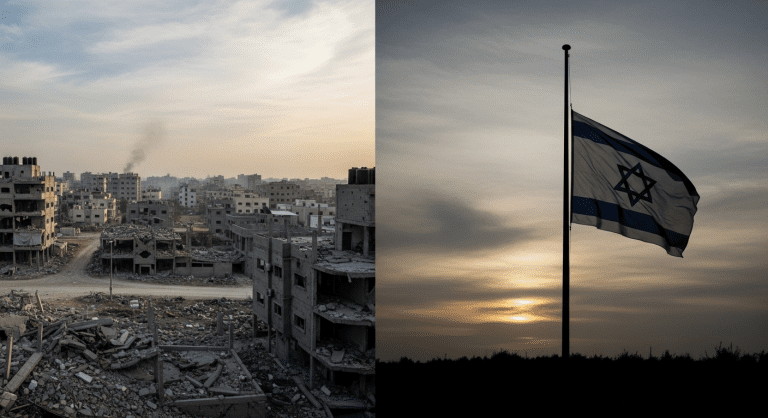

Hamas Attack 7 October 2023: Timeline, Israeli Response, Humanitarian Crisis, and Global Impact
The Hamas attack on 7 October 2023 shocked the world, abruptly escalating the Israeli–Palestinian conflict into one of the most severe and consequential crises of the decade. This comprehensive guide details the scale, sequence, and immediate repercussions of the assault, outlines Israel’s powerful military retaliation, examines the ongoing humanitarian emergency in Gaza, and investigates the evolving regional and global political ramifications. Whether you’re a general reader, policy watcher, or humanitarian, this article answers the key questions about what happened on 7 October, why it matters, and what the world is doing in response.
What Happened: The 7 October 2023 Hamas Attack Timeline and Casualties
On the morning of 7 October 2023, the Gaza-based Islamist group Hamas launched an unprecedented, large-scale attack across the Gaza–Israel border. Hamas militants fired thousands of rockets and conducted coordinated armed incursions into southern Israel, targeting civilian communities, military facilities, and public events.
- Targets: Israeli border towns, kibbutzim (agricultural cooperatives), and the Supernova music festival near Re’im became primary sites of violence and chaos.
- Casualties: Hundreds of Israelis—including civilians and soldiers—were reportedly killed [Reuters report].
- Hostages Taken: Dozens of Israelis and foreigners were abducted and brought to Gaza, intensifying the crisis and creating a prolonged hostage emergency.
- Shock and Impact: The attack represented a severe intelligence and operational failure for Israel, shaking public confidence and altering strategic calculations across the region.
For a more detailed sequence, you can reference timelines provided by sources such as UN Security Council briefings.
Israel’s Military Response and Security Strategy Post 7 October Attack
Israel responded to the attack within hours, declaring war on Hamas and committing to a comprehensive military campaign in Gaza.
- Airstrikes: The Israel Defense Forces (IDF) launched intensive airstrikes targeting suspected Hamas infrastructure, command centers, and tunnel networks throughout Gaza.
- Ground Operations: After days of aerial bombardment, Israel escalated with ground incursions, seeking to dismantle Hamas’s military capabilities and secure the release of hostages.
- Security Zones: The border region was locked down, and extensive military reserves were mobilized across the country.
- Stated Goals: Officials declared aims to neutralize Hamas’s capacity to conduct future attacks and to secure the safe return of abducted citizens.
The Israeli response has been described as the most extensive military operation against Gaza since conflicts in 2014 and 2021.
Humanitarian Crisis in Gaza: Civilian Toll & Aid Challenges
The rapid escalation triggered a severe humanitarian emergency in Gaza. Israeli airstrikes and blockades led to soaring civilian casualties, with thousands killed and injured, according to local and international monitors.
- Displacement: Large parts of the population were forced to flee due to destruction and warnings to evacuate conflict zones.
- Service Collapse: Water, electricity, food delivery, and health care services deteriorated dramatically.
- Health and Aid: Hospitals reported overwhelming numbers of casualties while human rights organizations and the Red Cross raised the alarm over shrinking humanitarian corridors and lack of essential supplies.
- UN & Aid Agency Response: The United Nations and agencies like the World Food Programme warned of an unfolding disaster and called for urgent ceasefire agreements to enable aid convoys and medical evacuations.
If you’re interested in humanitarian law and emergency responses, this crisis demonstrates an acute need for coordinated, international relief action—and prompts urgent questions about the rules of war and civilian protection.
Hostage Crisis from Gaza Attack 2023: Abductees and Diplomatic Efforts
The fate of the hostages taken on 7 October became an emotional and political centerpiece in Israel and beyond. Their plight shaped military decision-making and galvanized domestic and international appeals for restraint or negotiation.
- Abductee Demographics: The hostages included a mix of Israeli civilians (men, women, children), soldiers, and dozens of foreign nationals from the US, Thailand, and other countries.
- Diplomatic Response: Governments and humanitarian organizations pressured Hamas and mediated for prisoner exchanges and humanitarian access.
- Public Campaigns: Vigils, protests, and advocacy campaigns called for the immediate release or rescue of all captives.
- Negotiations and Releases: Sporadic releases of hostages occurred in the subsequent weeks, often accompanied by prisoner swaps or humanitarian ceasefires.
The ongoing hostage situation retains top priority in Israeli policy, public opinion, and international mediation, influencing the very tempo and nature of military escalations.
International Reactions and Diplomatic Fallout
The 7 October attack and the subsequent war triggered urgent diplomatic activity across the Middle East and among major world powers.
- United States: The US strongly condemned the Hamas attack, affirmed Israel’s right to self-defense, and sent military aid—while pressing for humanitarian pauses to protect civilians.
- Regional States: Reactions across Middle Eastern countries were mixed; some condemned Israeli attacks as disproportionate, while others called for restraint from all sides.
- Global Public Opinion: Mass demonstrations, online movements, and international NGO campaigns highlighted polarizing and rapidly shifting attitudes towards the conflict.
- United Nations: The UN convened emergency sessions, releasing repeated statements on humanitarian law, civilian protection, and the urgent need for de-escalation.
For further authoritative perspectives, read the UN Security Council statements and Human Rights Watch updates.
Broader Regional and Global Security Implications
The 2023 Hamas attack on Israel reshaped regional security assumptions and diplomatic priorities. Key developments include:
- Regional Escalation Risk: Fears grew that the conflict could widen, potentially drawing in Hezbollah in Lebanon, Iranian-backed groups, or other actors across the region.
- Peace Processes Disrupted: Ongoing normalization talks between Israel and Arab States (such as Saudi Arabia) stalled or were severely hindered.
- International Aid and Refugee Pressures: The humanitarian emergency has led to international calls for increased funding, while partners in the region prepare for possible new refugee flows.
- Long-term Impact: The events of 7 October 2023 may mark a new, volatile phase in Israeli–Palestinian relations, with consequences for counterterrorism, humanitarian law, and global diplomacy.
Why Was the Hamas Attack on 7 October 2023 So Significant?
- It represented the largest breach of Israeli border security in decades and revealed serious intelligence gaps.
- The sheer scale and brutality of the assault led to widespread outrage in Israel and global condemnation.
- The ensuing humanitarian crisis in Gaza—marked by civilian deaths, displacement, and severe shortages—remains a pressing global concern.
- Regional balance of power and peace negotiations have been thrown into uncertainty.
People Also Ask
What triggered the 7 October 2023 Hamas attack?
While tensions between Israel and Gaza militants were already high due to longstanding conflict and recent incidents, the attack appeared coordinated to exploit perceived vulnerabilities in Israeli security and attention. For more background, see Reuters: Inside the attack.
How many hostages were taken by Hamas in October 2023?
Reports indicate that more than 200 hostages were taken into Gaza, including Israeli civilians, soldiers, and foreign nationals. International efforts to secure their release remain ongoing.
What are the main humanitarian challenges facing Gaza now?
Gaza faces mass casualties, widespread displacement, collapsing health services, and critical shortages of food, water, fuel, and medical treatment due to the ongoing blockade and destruction.
Has the conflict led to wider regional escalation?
As of early November 2023, the fighting remained largely confined, but cross-border incidents (e.g., rocket launches from Lebanon or Yemen) and increasing tensions suggest high risk of spillover.
Where can I find further information on international humanitarian law and the crisis?
Refer to reputable sources such as the International Committee of the Red Cross and Human Rights Watch for ongoing updates and legal frameworks.
Conclusion: Key Takeaways from the October 2023 Hamas Attack on Israel
- The Hamas attack on 7 October 2023 marked a strategic shock, exposing vulnerabilities and triggering large-scale civilian suffering on both sides.
- Israel’s response has been forceful and intense, reflecting both security imperatives and public pressure to recover hostages and restore deterrence.
- The humanitarian crisis in Gaza is among the gravest of the 21st century, with immediate and long-term implications for aid, law, and regional stability.
- Global reactions are sharply polarized, revealing deep political and moral divisions in public opinion, diplomacy, and international law.
- Continued monitoring—and responsible, well-informed discussion—are essential for anyone concerned about Middle East security or humanitarian affairs.
For related topics on how global crises intersect with public sentiment, health, and resilience, you might find these insightful:
Staying informed and relying on authoritative, up-to-date resources is vital. For ongoing developments, be sure to follow official outlets like the United Nations, Human Rights Watch, and the International Committee of the Red Cross.




0 Comments