



Delhi AQI 391: Air Pollution Crisis Deepens on December 28, 2025—Hotspots, Causes, and What Residents Need to Know
Delhi’s air quality crisis surged to alarming levels yet again as the city’s Air Quality Index (AQI) hit 391 on December 28, 2025—pushing it squarely into the “very poor” category, dangerously close to the “severe” threshold. If you’re a Delhiite, environmental advocate, or simply want to ensure your family’s health, this update tells you everything you need to know about Delhi AQI 391, why it’s trending, the health warnings, hotspot zones like Anand Vihar and Akshardham, the government’s anti-pollution response, and most importantly, how to safeguard yourself in these toxic conditions.
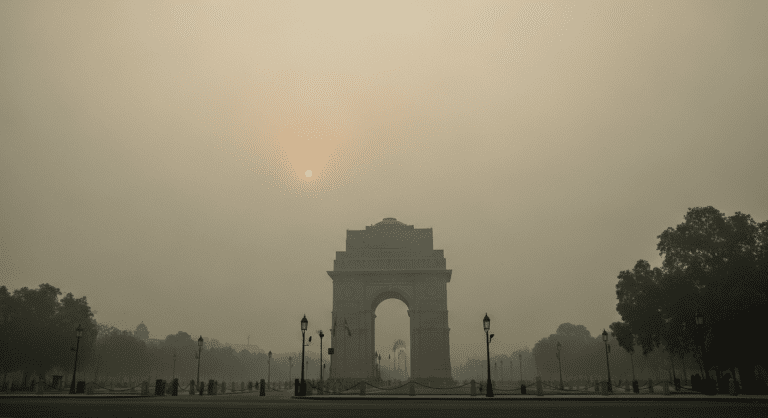
The crisis isn’t just a statistic—dense smog blanketed Delhi landmarks, visibility plummeted, daily life was disrupted, and emergency measures were rolled out across the city. Let’s break down what happened, why it matters, and what comes next.
Delhi AQI 391: What Does “Very Poor” Mean?
On the morning of December 28, 2025 (Sunday), Delhi’s average AQI reached 391, according to the Central Pollution Control Board (CPCB) data. But what does this figure really mean?
- AQI 301–400: Very Poor – Triggers respiratory illnesses on prolonged exposure, especially in children, elderly, and those with preexisting conditions.
- AQI 401–500: Severe – Major health impacts for the entire population; “severe” warnings lead to strict emergency actions.
The December spike put the capital city’s population at immediate risk, with the number climbing dangerously close to the “severe” (401+) range. The previous evening (Dec 27), AQI already hovered near 390.
Top Pollution Hotspots in Delhi (December 28, 2025): Where Was Air Quality Worst?
While Delhi overall choked on hazardous air, several neighborhoods and landmarks registered AQIs exceeding 400:
- Anand Vihar: AQI 445 (“severe”)
- Shadipur: AQI 445
- Nehru Nagar: AQI 433
- Patparganj: AQI 425
- Mundka: AQI 413
- Vazirpur: AQI 433
- ITO: AQI 400+
- Akshardham area: Dense smog with visibility drops.
- IGI Airport: AQI 320 (still “very poor”).
Residents woke up to a city blanketed in toxic haze, with photos of smog-shrouded sites going viral under hashtags like #DelhiAQI and #DelhiSmog. Traffic disruptions and delayed airport operations added to the chaos.
Why Did Delhi’s Air Quality Plummet?
The primary causes behind the AQI surge this winter are a dangerous mix of weather and human factors:
- Cold Temperatures: Overnight cooling traps pollutants close to the ground.
- Calm Winds: Lack of wind slows pollutant dispersal.
- Dense Fog: Fog mixes with pollution and particulate matter (PM2.5), forming a thick, visible smog.
- Emission Sources: Traffic (especially older vehicles), construction dust, waste burning, and industrial emissions all spike in winter.
Experts note that when fog mixes with particulate matter and humidity, it accelerates the buildup of PM2.5—one of the most dangerous air pollutants for lungs.
Government Response: Emergency Measures and GRAP-4
As air quality deteriorated, both Delhi Government and the Commission for Air Quality Management (CAQM) rolled out a series of anti-pollution measures:
- GRAP Stage IV (GRAP-4) activated by CAQM—restricts construction and industrial activity, bans truck entry (except essential goods), limits vehicle movement.
- Permanent “No PUC, No Fuel” Rule—Vehicles without valid Pollution Under Control certificate are denied fuel at petrol stations.
- Ban on Non-BS6 Vehicles—Only latest emission-compliant vehicles allowed on roads.
- Water Body Revival Initiative—CM Rekha Gupta’s cabinet approved Rs 100 crore to rejuvenate 160 Delhi water bodies, aiming to improve the city’s micro-environment and long-term air quality.
- Health Alerts and School Advisories—Residents urged to stay indoors, especially vulnerable groups (NDTV Delhi smog coverage).
For a detailed breakdown of the current GRAP (Graded Response Action Plan) measures, visit the official CAQM site or refer to recent media reports (The Tribune Delhi Air Quality).
Is This Crisis the “New Normal” for Delhi’s Winters?
Every winter, Delhi’s air pollution spikes due to weather and stubble burning. But this year’s crisis stands out for its intensity, early arrival, and wide impact. This pattern is no longer an anomaly; experts warn similar events may become an annual health emergency unless stricter long-term solutions are enforced.
Delhi’s situation is being closely watched nationwide, as the city’s policy response often sets the tone for other Indian metros. For policy trends and local funding news, check Delhi PWD’s recent projects to improve infrastructure resilience.
Public Health Impact: Who’s Most at Risk?
When the AQI rises above 300, everyone is at risk, but some groups are especially vulnerable:
- Children
- Elderly citizens
- Pregnant women
- People with asthma, lung, or heart disease
Symptoms of exposure may include throat irritation, coughing, wheezing, eye burning, headaches, and in severe cases, aggravated respiratory issues.
How to Stay Safe During an Air Pollution Emergency
Here’s what you should do immediately if AQI exceeds 300:
- Avoid outdoor exercise and strenuous activity, especially early mornings and late evenings.
- Keep windows and doors shut.
- Use N95 or certified pollution face masks when you step outside.
- Run HEPA air purifiers indoors if possible.
- Drink plenty of fluids; keep children indoors as much as possible.
- Monitor local AQI on apps and government websites.
- Follow school, traffic, and health advisories strictly.
For a list of practical health-focused lifestyle tips for urban dwellers, check our curated wellness section.
Why Is #DelhiAQI Trending? Social Media and National Attention
The intensity of the crisis has again put Delhi in the national spotlight. Virally-shared images of smog-enveloped monuments, stalled traffic, and masked citizens have fueled hashtags like #DelhiAQI and #DelhiSmog across platforms.
This isn’t just a seasonal story—it’s a wakeup call urging action from all sectors: government, industry, and individual citizens.
FAQs About Delhi AQI 391 and Pollution Crisis
1. What is considered a dangerous AQI level in Delhi?
AQI above 300 is “very poor,” with 401+ being “severe.” Prolonged exposure at these levels is hazardous for everyone.
2. Which areas of Delhi are most affected by air pollution?
In December 2025, hotspots included Anand Vihar, Shadipur, Nehru Nagar, Patparganj, Mundka, Vazirpur, and Akshardham, all of which surpassed AQI 400.
3. What steps has the government taken to combat Delhi’s air pollution?
Current measures include Stage IV of GRAP (restricting construction and industrial activities), vehicle bans for non-BS6, and mandatory PUC certification for refueling vehicles.
4. How can I check the latest AQI in my area?
Use the official CPCB portal, news platforms, or reliable mobile apps for real-time AQI updates.
5. What are GRAP Stages in Delhi’s anti-pollution plan?
GRAP (Graded Response Action Plan) is Delhi NCR’s tiered emergency plan against air pollution, ranging from public alerts to construction and industrial curbs at the highest level (Stage IV).
Conclusion: Action Steps for Delhi Residents and Policymakers
The Delhi AQI 391 emergency is an urgent reminder—air pollution is not just a winter headline, but a persistent threat to the city’s future. Immediate action (mask-wearing, minimising travel, using air purifiers) and long-term policy moves (vehicle upgrades, water body revival, industrial reforms) are critical.
For Delhi’s residents, daily vigilance and cautious routines are essential. For policymakers and activists, this is the ideal time to press for transformative changes. Stay informed, follow government advisories, and support preventive initiatives to help break Delhi’s toxic winter cycle.
Related reading:
- Vijay Hazare Trophy: Delhi’s Sports Comeback Despite Pollution
- Delhi PWD Funding and Infrastructure Upgrades
- Resilience Stories: Overcoming Crises
For up-to-the-minute updates and actionable alerts, bookmark trusted sources like Economic Times, NDTV, and The Tribune.




0 Comments