


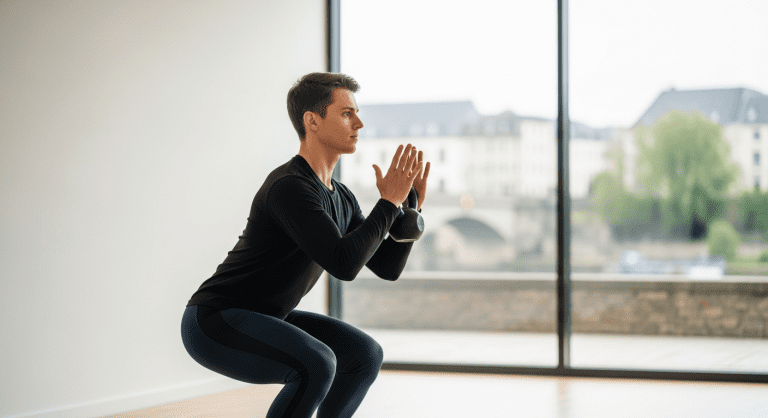

Functional Fitness for Early Adults in Luxembourg: Your Ultimate Guide to Strength, Mobility & Longevity
Functional fitness isn’t just a buzzword—it’s a lifestyle shift that can radically upgrade your daily performance, prevent injury, and improve your longevity. If you’re aged 17–22 and living in Luxembourg, you’re in the perfect window to build a resilient, capable body that supports you through university, early career challenges, and beyond.
In this guide, we’ll break down what functional fitness is, why it’s especially beneficial for early adults in Luxembourg, how you can start (even if you’re a complete beginner), and the most effective tips to build a sustainable, strong routine that fits your lifestyle.
What is Functional Fitness?
Functional fitness refers to training that prepares your body for real-life movement and activities—not just lifting weights in a gym. The goal is to improve your mobility, core stability, strength, endurance, and coordination in a way that’s directly useful in everyday life.
Instead of isolating muscle groups, functional fitness involves compound movements like squats, lunges, pulls, pushes, and rotation—often performed with your bodyweight, kettlebells, resistance bands, or free weights.
Key Benefits of Functional Fitness
- Improved posture and balance—critical for desk-heavy student or office life
- Increased strength and injury prevention for sports, cycling, hiking, or simply lifting things correctly
- Better mobility and joint flexibility over time
- Boosts energy and metabolism
- Mental health benefits through movement-based mindfulness
Why is Functional Fitness Crucial for Early Adults in Luxembourg?
Luxembourg’s population under 25 is rapidly increasing their interest in holistic wellness. Functional fitness aligns perfectly with the country’s active lifestyle, urban accessibility to gyms, and nature-rich surroundings for outdoor training.
If you’re in early adulthood, your body is still adaptable. Now is the ideal time to build a foundation that will protect you from chronic pain, posture issues, or burnout in later years.
Common Problems Young Adults Face
- Sedentary behavior due to long study/work hours
- Muscle imbalances from poor gym form or one-dimensional sports
- Fatigue from poor recovery habits
- Limited flexibility and low mobility
Functional fitness addresses these issues head-on—training your body in a smart, efficient, and integrated way.
How to Start Functional Fitness as a Beginner in Luxembourg
Starting seems intimidating, but it’s very doable when broken into actionable steps. Here’s a beginner plan focused on movement quality rather than intensity.
Step-by-Step Beginner Plan
- Start with bodyweight: Master control with air squats, push-ups, lunges, and planks.
- Include mobility drills: Hip openers, ankle mobility, spinal rotations.
- Begin core strengthening: Dead bugs, bird dogs, glute bridges.
- Incorporate dynamic movement: Light kettlebell swings, resistance band rows, jump squats.
- Train 3x/week: 30–45 min sessions with recovery days between.
Pro tip: If you’re unsure where to begin, check out gyms like Rebell Studio or FitInn in Luxembourg City offering functional group classes.
Top Functional Exercises for Early Adults
These are proven fundamentals. Do each 2-3 times a week for best results.
Upper Body + Core
- Push-ups (build raw strength)
- Plank rows (core + stability)
- Bear crawls (total-body activation)
Lower Body
- Walking lunges
- Bodyweight squats → Progress to goblet squats
- Glute bridges & hip thrusts
Full-Body & Cardio
- Burpees (explosive power)
- Jump rope (conditioning)
- Box steps or jumps (stability + power)
Nutrition Tips to Support Functional Training
Young adults need energy-dense and recovery-friendly nutrition to complement workouts:
- Lean proteins (eggs, Greek yogurt, legumes)
- Complex carbs (oats, brown rice, sweet potatoes)
- Anti-inflammatory fats (nuts, olive oil, avocados)
- Electrolytes + hydration before and after a session
Recovery: The Secret to Longevity
Skipping recovery is one of the biggest mistakes beginners make. Rest days help your muscles adapt and grow stronger.
- Get 7–9 hours of sleep minimum
- Practice light stretching or yoga post-workout
- Hydration is non-negotiable—especially after sweating
- Use a foam roller (or massage gun) on sore muscles
Functional Fitness vs Traditional Gym: What’s Better?
| Aspect | Functional Fitness | Traditional Weight Training |
|---|---|---|
| Goal | Everyday performance | Aesthetics or isolated strength |
| Injuries | Low risk (when done right) | Higher risk without guidance |
| Movement | Full-body, natural patterns | Isolated reps |
| Best For | Core strength, mobility, real-life function | Muscle definition & size |
Top Tips for Staying Consistent
- Train with a buddy or join a group class
- Use a fitness app to track progress (e.g., Freeletics)
- Mix routines to avoid boredom
- Set micro-goals like 10 proper push-ups
FAQs About Functional Fitness for Beginners
Is functional fitness enough for building muscle?
Yes, especially for beginners. Bodyweight training and compound movements build functional muscle that supports daily life. As you progress, adding resistance can enhance muscle gains.
Do I need gym equipment to start?
Not at all. You can start with bodyweight exercises, household items (like water bottles or backpacks), and minimal gear like resistance bands.
How quickly can I see results?
Most people report improved energy, posture, and strength within 3–6 weeks of consistent training.
Can I combine functional fitness with sports or weight training?
Absolutely. Many athletes use functional training to improve agility, reduce injury, and complement their sport or lifting routine.
What’s the best time of day to train?
Whatever time you can stay consistent with. Morning workouts boost energy, while evening ones may aid in stress relief.
Conclusion: Build the Healthiest Years of Your Life—Now
Functional fitness is the smart way to future-proof your body and mind. Early adulthood is when habits stick and bodies adapt. If you’re in Luxembourg, take advantage of the access to parks, gyms, and wellness support to begin now.
By prioritizing quality movement, strength, and recovery, you’re not just training for aesthetic goals—you’re training for life.
Ready for Your Next Step?
Continue your wellness journey with our other reads:


0 Comments