



How to Build an Emergency Fund in Canada: A Step-by-Step Guide for Young Adults
As a young adult in Canada, juggling rent, student loans, and that dream vacation can feel overwhelming. But with 2025’s economic uncertainties—like inflation and holiday spending pullbacks—building a solid emergency fund is your financial safety net[1][2][4][5][7]. This step-by-step tutorial will guide you through creating one tailored to your life, using practical examples and tips from current trends.
Why an Emergency Fund Matters Now More Than Ever
Nearly 80% of people live paycheck to paycheck, making unexpected expenses a nightmare[1]. In Canada, where costs for housing and groceries are rising, financial experts recommend 3-6 months of essential living expenses in a dedicated fund[5][7].
This isn’t just savings—it’s peace of mind. Trends show smarter, automated tools and “loud budgeting” conversations are helping young adults prioritize this[2]. Avoid high-interest debt traps like payday loans by being prepared.
Step 1: Calculate Your Target Amount
Start by listing your monthly essentials: rent, utilities, groceries, transport, and minimum debt payments. Multiply by 3-6 months.
- Example: If your essentials total $2,500/month, aim for $7,500-$15,000.
- Tip for 23-30 year olds: If job loss is a worry, lean toward 6 months; freelancers might need more.
- Common pitfall: Underestimating irregular costs like car repairs—add a 10-20% buffer.
Use free tools like those from Canada’s FCAC to track expenses accurately.
Step 2: Choose the Right Account
Opt for a high-interest savings account (HISA) or Tax-Free Savings Account (TFSA) for easy access and growth. Canadian banks like EQ Bank or Tangerine offer competitive rates over 4%[2].
- Ensure it’s liquid—no locked terms like CDs unless your timeline allows.
- Automate transfers post-payday to mimic trends in mobile-first banking[1].
- Expert tip: Split into “mini-funds” for short-term needs vs. longer horizons[3].
Avoid everyday chequing accounts where temptation strikes.
Step 3: Fund It with a Smart Budget
Adopt the 50/30/20 rule: 50% needs, 30% wants, 20% savings/debt[5].
- Track spending for one month using apps like Mint or PocketGuard.
- Cut one “want” weekly—e.g., skip lattes to save $100/month.
- Actionable trick: Get paid early via services like Wage Stream if available through your employer[1].
If debt looms, use the “rule of 6%”: Pay off high-interest debt first (>6%), then divert to your fund[3].
Step 4: Automate and Build Habits
Set up auto-transfers of $50-200/paycheque. Trends predict savings tools getting even smarter in 2026[2].
Make it fun: Round up purchases or use cashback apps. Share goals in “loud budgeting” chats with friends to stay accountable[2].
Overcoming Common Pitfalls
- Dipping in for non-emergencies—define “emergency” as job loss or medical bills only.
- Lack of motivation—celebrate milestones, like a coffee treat at $1,000 saved.
- Forget to review: Check quarterly and adjust for life changes.
Bonus: Leverage 2025 Trends for Faster Growth
Explore BNPL alternatives like debit-linked plans to avoid credit stigma[1]. Discuss finances openly—join Canadian Reddit communities like r/PersonalFinanceCanada for tips. For more, check Fidelity’s retirement balancing guide[3].
Summary
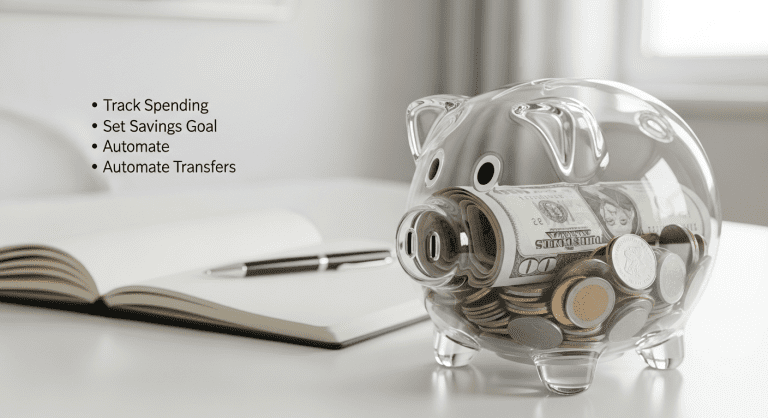
Building your emergency fund in Canada boils down to: calculate needs, pick an accessible account, budget ruthlessly, and automate. Start small today—consistency beats perfection. You’ll sleep better knowing you’re ready for whatever 2025 throws your way[1][2][3][5][7].
“`


0 Comments