



Introduction
With the launch of Google Pomelli, agencies and freelancers face a new wave of AI automation in digital marketing. Billed as a groundbreaking tool that can create branded campaigns in minutes, Pomelli raises questions about the future of creative work: Is it a threat to agency jobs and revenues, or a powerful ally for boosting productivity and scaling client services?
What Is Google Pomelli?
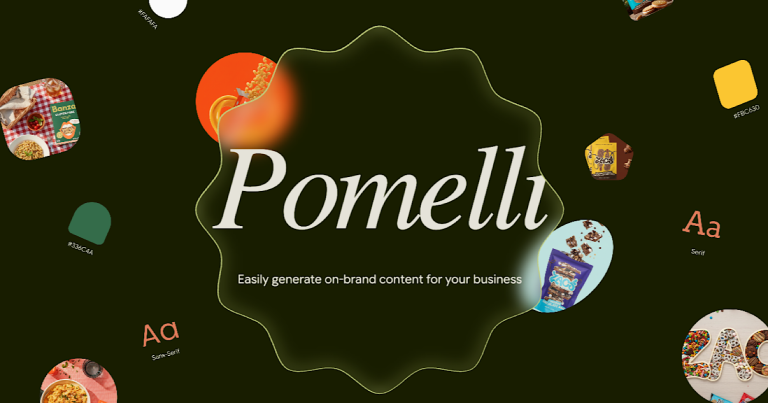
Pomelli is an AI-powered marketing assistant developed by Google Labs and DeepMind. It analyzes a business’s website to extract “Business DNA” and automates the generation of marketing assets across social media, ad banners, email campaigns, and more. Its copy-first, brand-aware approach has attracted attention in agency circles for its ability to speed up campaign creation and maintain messaging consistency.
Why Agencies Should Take Notice
Agencies traditionally charge clients for building brand guidelines, designing assets, and executing campaigns—a time-intensive process that relies on human expertise. Pomelli challenges this status quo by:
-
Automating brand analysis via website scraping
-
Generating ready-to-publish assets instantly
-
Lowering the technical and creative bar for “good enough” marketing
-
Offering a free beta that appeals to budget-conscious SMBs
For small businesses, Pomelli’s free features mean professional marketing without hiring outside help. For agencies, it signals a need to rethink value propositions.
Potential Threats to Agencies
1. Reduced Demand for Routine Tasks
Pomelli handles much of the routine asset production—social posts, email graphics, and basic ad banners—at lightning speed. Agencies relying on revenue from recurring, low-margin creative work may see shrinking demand as SMB clients opt for DIY automation.
2. One-Brand Limitations
The current beta restricts users to a single Business DNA profile, limiting multi-client management for agencies. If agencies want to use Pomelli across many accounts, future pricing models or tiered access could eat into margins.
3. Loss of Human Touch
Though Pomelli is powerful, its output lacks the nuance and innovation of human designers—especially for high-concept, luxury, or culturally sensitive campaigns. For agencies specializing in unique brand storytelling, cookie-cutter assets from AI could undermine their creative edge.
How Agencies Can Benefit
1. Turbocharging In-House Production
Agencies can adopt Pomelli to generate first drafts and bulk social content, freeing human creatives to focus on strategy, advanced campaigns, or flagship assets. Early adopters report a 30-70% reduction in execution time for repetitive campaigns.
2. Enhanced Brand Consistency
Pomelli’s DNA builder ensures uniform messaging and visuals across every project. Agencies working with growing businesses (those without formal guidelines) can use Pomelli to quickly establish a consistent voice, then refine with human expertise.
3. Hybrid Workflows
Leading agencies are blending AI asset generation with manual refinement. Pomelli creates copy and basic visuals, while teams add custom graphics, personality-driven edits, and client-specific details. This “AI plus expert” model delivers projects faster and at lower cost, while maintaining quality where it matters.
4. Expanding Services
Agencies who master Pomelli gain a new offering—AI-powered brand analysis and rapid asset generation. This is especially useful for onboarding small clients, kickstarting new campaigns, or scaling content for high-volume social channels.
The Strategic Shift: Becoming Pomelli Power Users
To thrive in the Pomelli era, agencies should:
-
Audit workflows: Identify where Pomelli can eliminate repetitive work
-
Train teams: Teach staff to prompt effectively, combine AI assets, and recognize where “human touch” is still essential
-
Educate clients: Explain the value of blended workflows and set revised expectations for turnaround, costs, and creative range
-
Monitor updates: As Pomelli evolves, new features (multi-brand support, premium templates) may create opportunities for advanced agency plans
Case Study: Agency Adopts Pomelli
A mid-sized marketing firm tested Pomelli for social campaigns. The AI generated on-brand variants for several clients based on their websites. Designers refined assets, adding custom graphics and strategic messaging. The agency reported a 35% decrease in production time, enabling them to onboard more clients and reallocate resources to high-value projects.
Challenges and Cautions
-
Quality Reliance: If a client website is poorly designed or lacks branding, Pomelli’s results can be generic or off-base—meaning agency oversight is still needed.
-
Creative Limitations: Pomelli excels at “good enough,” not “award-winning.” Agencies must continue to lead on creative innovation.
-
Future Pricing: Free access won’t last forever. Agencies should track Google’s roadmap for paid plans and feature limitations.
-
Ethics & Transparency: Agencies should disclose Pomelli’s use to clients and clearly separate AI-generated vs. custom creative work.
Conclusion
Pomelli is not the end of agencies, but it demands adaptation. The most successful creative professionals will learn to harness Pomelli’s automation for speed and scale, focus human effort where it has the greatest impact, and communicate their evolving value to clients. Agencies should treat Pomelli as a powerful new tool—friend, not foe—on the journey to more efficient and effective digital marketing.
Related Post: Google Pomelli: Revolutionizing AI Marketing for Small Businesses




0 Comments