


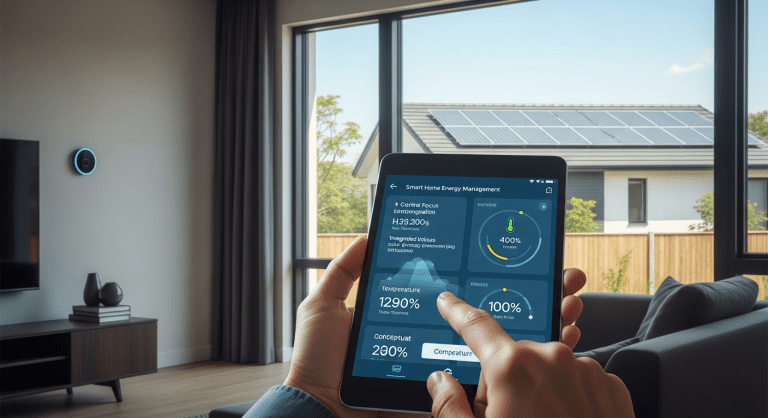

# Smart Home Energy Management 2025: Your Guide to Lower Bills and Greener Living
Discover how smart home energy management systems in 2025 can slash your utility bills by up to 30% while reducing your carbon footprint. From AI-powered thermostats to seamless solar integration, these cutting-edge technologies make energy efficiency effortless for modern homeowners seeking both savings and sustainability.
## Why Smart Home Energy Management Matters More Than Ever
Energy costs continue to climb across Australia and beyond, making smart home energy management a practical necessity rather than just a luxury. Today’s homeowners aren’t just looking for convenience—they want systems that actively reduce their environmental impact while keeping their wallets happy. The good news? 2025 brings remarkable advancements that make energy-efficient living more accessible than ever before.
Gone are the days when “smart home” meant complicated setups and limited functionality. Modern energy management systems work quietly in the background, learning your habits and optimizing energy use without requiring constant attention. Whether you’re a tech enthusiast or just looking to cut costs, these innovations deliver real value with minimal effort.
## Top Energy-Efficient Smart Home Trends for 2025
### Smart Thermostats: Your Climate Control Powerhouse
Smart thermostats have evolved from simple programmable devices to intelligent climate managers that understand your lifestyle. These systems use sensors throughout your home to detect occupancy patterns and adjust temperatures accordingly—turning down heating or cooling in unoccupied rooms while maintaining comfort where you actually spend time.
The savings potential is impressive: modern smart thermostats can reduce your heating and cooling bills by up to 20%, which represents significant savings in Australian climates where air conditioning and heating account for nearly half of household energy use. Brands like Ecobee and Nest have incorporated advanced features that work with the Matter standard for seamless integration across your entire smart home ecosystem.
### AI-Powered Energy Optimization
Artificial intelligence has moved beyond science fiction to become your personal energy consultant. Today’s AI energy management systems analyze your usage patterns, local weather forecasts, and even electricity pricing tiers to make real-time decisions about when to run appliances and charge batteries.
These intelligent systems excel at:
– Predicting peak energy demand periods and shifting usage to off-peak hours
– Identifying energy-wasting devices that might be running unnecessarily
– Learning your schedule to optimize heating and cooling before you arrive home
– Providing personalized recommendations for further energy savings
The best part? These systems require minimal input from you—they learn and adapt automatically, making energy efficiency effortless rather than another chore to manage.
### Advanced Solar Integration
Solar power has moved from niche alternative to mainstream energy solution, and 2025 brings smarter ways to integrate it into your home energy ecosystem. Modern solar systems don’t just generate power—they work with battery storage and your home’s energy management system to create a complete, self-sustaining energy solution.
Key advancements include:
– **Smart load balancing** that prioritizes solar power for high-energy appliances
– **EV charging coordination** that uses excess solar power to charge your electric vehicle
– **Grid interaction** that intelligently sells back excess power during peak pricing periods
– **Weather-responsive operation** that adjusts energy storage based on forecasted sunlight
According to industry experts at Rhino Energy, homes with properly integrated solar and battery systems can achieve up to 80% energy independence from the traditional grid, dramatically reducing both costs and environmental impact.
### Matter Standard: Seamless Device Interoperability
One of the biggest frustrations in early smart homes was incompatible devices that couldn’t communicate. The Matter standard has solved this problem, creating a universal language that allows all your smart devices—from thermostats to lights to security systems—to work together seamlessly.
This interoperability is crucial for effective energy management because it allows your entire home ecosystem to coordinate energy usage. For example, your security system can tell your thermostat when you’ve left home, triggering energy-saving modes across your entire property. The latest Matter 1.4 standard adds enhanced energy management features that make these interactions even more sophisticated and user-friendly.
## Getting Started with Your Energy-Efficient Smart Home
Beginning your smart home energy management journey doesn’t require a complete overhaul. Start with these practical steps that deliver immediate benefits:
1. **Conduct a home energy audit** to identify where you’re wasting power
2. **Install smart plugs and power strips** to eliminate “vampire” energy drain
3. **Upgrade to LED lighting** with smart controls for automatic adjustments
4. **Add a smart thermostat** as your energy management centerpiece
5. **Explore government incentives** for solar and battery installations
Many utility companies now offer rebates for energy-efficient upgrades, and government programs can significantly reduce the upfront costs of solar installations. Don’t let perceived complexity stop you—most modern systems are designed for DIY installation with intuitive mobile apps that guide you through the process.
## Long-Term Benefits Beyond Monthly Savings
While lower utility bills provide immediate gratification, the true value of smart home energy management extends far beyond your monthly statement. Homes with comprehensive energy management systems are increasingly sought after by buyers, often selling 10-15% faster than comparable properties without these features.
Additionally, these systems contribute to grid stability by reducing peak demand and integrating renewable energy sources. As more homeowners adopt smart energy practices, we collectively move toward a more sustainable energy future with reduced carbon emissions and greater resilience against power disruptions.
Perhaps most importantly, modern energy management systems give you peace of mind. Real-time monitoring alerts you to unusual energy usage that might indicate equipment problems, while automatic adjustments ensure your home remains comfortable without constant attention.
## Making the Smart Choice for Your Home
Smart home energy management in 2025 represents the perfect intersection of technology, sustainability, and practical savings. These systems have evolved from complicated, expensive installations to user-friendly solutions that deliver real value with minimal effort.
Whether you’re starting with a single smart thermostat or building a comprehensive energy ecosystem, the key is to begin where you are. Each step toward smarter energy management brings immediate benefits while positioning your home for the increasingly sustainable future we’re all moving toward.
The technology exists today to make your home more comfortable, more efficient, and more valuable—all while reducing your environmental impact. In a world of rising energy costs and growing environmental concerns, smart home energy management isn’t just a trend—it’s the smart way to live.


0 Comments