



The Wearable Health Revolution: How 2025’s Smart Devices Are Transforming Personal Wellness
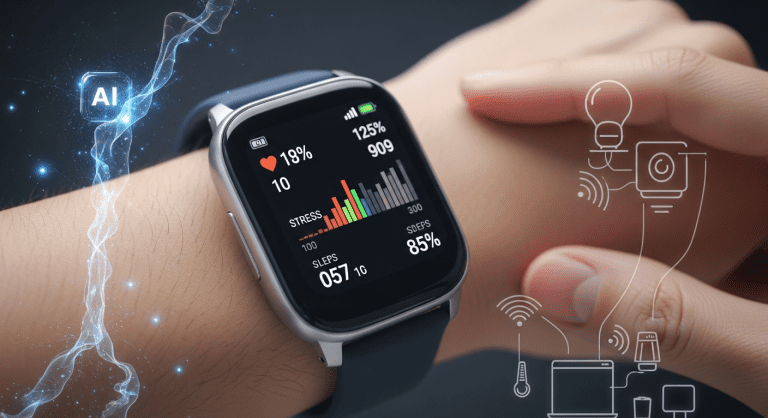
Featured Snippet: Today’s advanced health wearables go far beyond step counting, offering medical-grade monitoring for heart health, sleep quality, and stress levels. With AI-powered insights and seamless Matter integration, these devices provide personalized health data that’s changing how we approach wellness—making proactive healthcare accessible to everyone right from their wrist.
Why Health Wearables Are Exploding in 2025
If you thought your smartwatch was just for counting steps and checking notifications, think again. The health monitoring wearables market has undergone a dramatic transformation in 2025, with devices now capable of detecting early signs of serious health conditions before symptoms even appear. According to recent industry analysis, the global wearable technology market is projected to reach $118 billion by 2026, with health-focused devices driving most of this growth.
What’s fueling this explosive growth? Simple: consumers are taking charge of their health like never before. With healthcare costs rising and preventive care becoming more valued, people want tools that help them understand their bodies in real-time. Today’s wearables deliver exactly that—transforming from simple fitness trackers into sophisticated health companions that can monitor everything from blood oxygen levels to stress responses.
The AI-Powered Health Insights You Didn’t Know You Needed
The real game-changer in 2025’s wearable technology is on-device AI processing. Unlike earlier models that sent your health data to the cloud for analysis (raising privacy concerns), today’s advanced wearables process sensitive health information directly on your wrist. As highlighted in a recent TechInsights report, this edge AI implementation reduces latency while ensuring your personal health data stays private.
Modern health wearables can now:
- Identify irregular heart rhythms with medical-grade accuracy
- Predict potential health issues through pattern recognition
- Provide personalized sleep improvement recommendations
- Monitor stress levels through subtle physiological changes
- Track menstrual cycles with unprecedented precision
This isn’t just convenient—it’s potentially life-saving. The American Heart Association has documented cases where wearables detected atrial fibrillation before users experienced any symptoms, allowing for early intervention.
Top Health Wearables Making Waves in Late 2025
While the market is crowded with options, several standout devices are redefining what’s possible in personal health monitoring:
Apple Watch Series 11: The Health Command Center
Apple’s latest offering has doubled down on health features, with an FDA-cleared ECG app that now detects more arrhythmias than ever before. The new optical sensor array provides continuous blood pressure monitoring without the need for uncomfortable cuffs—a feature previously only available in clinical settings. What makes this model particularly compelling is its seamless integration with the Matter standard, allowing your health data to interact with smart home devices for a truly holistic wellness environment.
Whoop 5.0: The Athlete’s Secret Weapon
While not as flashy as some competitors, Whoop 5.0 has become the go-to device for serious athletes and biohackers. Its standout feature is the recovery score, which analyzes your sleep quality, heart rate variability, and respiratory rate to tell you exactly when your body is ready for intense training. The device’s battery life has improved dramatically thanks to energy-efficient edge AI chips that process data locally rather than constantly transmitting to the cloud.
Oura Ring Gen 4: Discreet Health Monitoring
For those who prefer subtlety over wrist-worn tech, the Oura Ring has evolved into a sophisticated health monitoring tool. The fourth generation features improved temperature sensing that can detect subtle changes in your body temperature—often the earliest sign of illness. Many users report that their Oura Ring alerted them to potential infections days before symptoms appeared, allowing them to take preventive measures.
How Health Wearables Integrate With Your Smart Home Ecosystem
One of the most exciting developments in 2025 is how health wearables now interact with your broader smart home environment through the Matter standard. This open-source protocol, developed by the Connectivity Standards Alliance (which includes Apple, Google, and Amazon), allows different smart devices to communicate seamlessly.
Imagine this scenario: your wearable detects elevated stress levels as you arrive home from work. Through Matter integration, it automatically triggers your smart home system to:
- Adjust lighting to calming hues
- Lower the thermostat to your preferred relaxation temperature
- Start playing your personalized stress-reduction playlist
- Dim non-essential displays to reduce visual stimulation
This level of automated wellness support represents a significant leap from the disconnected smart home experiences of just a few years ago.
Privacy Concerns and How Modern Wearables Address Them
With health data being among the most sensitive personal information, privacy remains a top concern. The good news is that 2025’s wearables have made significant strides in data protection:
- On-device processing keeps sensitive health information off the cloud
- End-to-end encryption for any data that must be transmitted
- Granular permission controls letting you decide what data to share
- Transparent data usage policies from major manufacturers
The Federal Trade Commission has stepped up oversight of health data practices, requiring companies to be more transparent about how they use and protect your information. For the latest guidelines on health data privacy, check the FTC’s health claims page.
What’s Next for Health Monitoring Wearables?
Looking ahead, the most exciting developments on the horizon include:
- Non-invasive blood glucose monitoring for diabetes management
- Early infection detection through biomarker analysis
- Integration with telehealth platforms for real-time doctor consultations
- Advanced mental health tracking through voice pattern analysis
The boundary between consumer wearables and medical devices continues to blur, with regulatory agencies adapting their frameworks to accommodate these innovations while ensuring safety and accuracy.
Choosing the Right Health Wearable for You
With so many options available, selecting the right device can feel overwhelming. Consider these factors:
- Your primary health goals (fitness, sleep, stress management)
- Compatibility with your existing smart home ecosystem
- Battery life requirements based on your lifestyle
- Medical validation of health tracking features
- Privacy policies and data handling practices
Remember that the most expensive device isn’t necessarily the best for your specific needs. Focus on which health metrics matter most to you and find a device that excels in those areas.
The wearable health revolution is no longer coming—it’s already here, putting unprecedented health insights at your fingertips. As these devices continue to evolve, they’re transforming from passive trackers into active health partners that help you make better decisions every day. Whether you’re a fitness enthusiast, managing a chronic condition, or simply interested in optimizing your wellbeing, there’s never been a better time to harness the power of health monitoring wearables.


0 Comments