


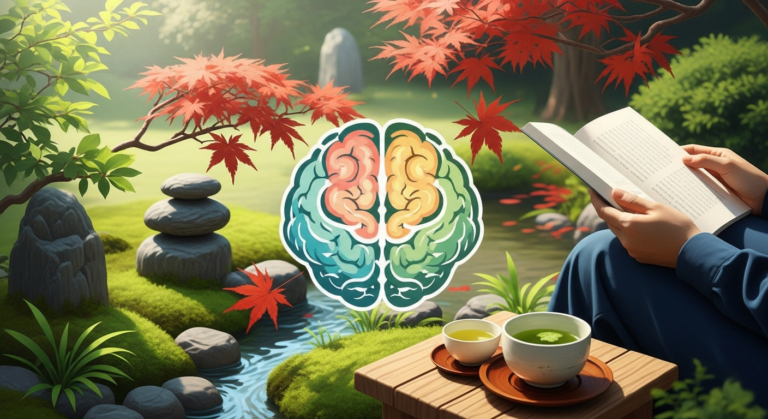

Natural Ways to Boost Brain Health for Young Adults in Japan
In today’s fast-paced digital world, maintaining optimal brain health is more crucial than ever, especially for young adults in Japan. Whether you’re studying for exams, starting your career, or managing daily stress, a healthy brain enhances focus, memory, and overall well-being. This comprehensive guide explores evidence-based, natural strategies to boost your cognitive function and ensure long-term mental vitality.
Understanding Brain Health and Its Importance
Brain health encompasses your cognitive abilities, memory, attention span, and emotional regulation. For young adults, especially in Japan’s competitive environment, mental sharpness can significantly impact academic success and career growth. Moreover, adopting preventive habits now sets a foundation for a healthy aging process.
Key Lifestyle Changes for Improving Brain Function
1. Prioritize Quality Sleep
Getting enough sleep is vital for memory consolidation and mental clarity. Aim for 7-9 hours nightly and maintain a consistent sleep schedule. Incorporate relaxing bedtime routines, like reading or meditation, and avoid screens at least an hour before bed to reduce blue light exposure, which can disrupt circadian rhythms.
2. Maintain a Balanced Diet Rich in Brain-Boosting Nutrients
Nutrition plays a core role in cognitive health. Focus on foods high in Omega-3 fatty acids (like fatty fish such as salmon), antioxidants (berries, green tea), and vitamins B6, B12, and folate (leafy greens, legumes). Equally important is moderating processed foods and sugar, which may impair cognitive function over time.
For tailored advice, consider consulting Japanese dietary guidelines.
3. Engage in Regular Physical Activity
Physical exercise enhances blood flow to the brain and promotes neurogenesis. Activities such as walking, cycling, or traditional Tai Chi are especially effective for young adults. Aim for at least 150 minutes of moderate activity weekly.
4. Practice Cognitive Training and Mental Challenges
Stimulate your brain with puzzles, language learning, or apps designed for brain training. Regular mental challenges improve neuroplasticity, helping to preserve memory and problem-solving skills.
5. Manage Stress Effectively
Chronic stress hampers cognitive function and accelerates aging. Incorporate stress-reducing practices such as mindfulness meditation, deep breathing exercises, or gentle yoga. Using apps like meditation guides tailored for young adults can be very helpful.
Additional Natural Methods to Support Brain Health
6. Stay Hydrated
Dehydration impairs concentration and memory. Drink plenty of water throughout the day, aiming for about 2 liters or more, especially in dry environments like Japan’s urban areas.
7. Limit Alcohol and Avoid Smoking
Excessive alcohol consumption and smoking negatively affect brain structure and cognitive functions. Opt for healthy lifestyle choices and seek support if needed.
8. Incorporate Supplementation if Necessary
Supplements such as Omega-3, ginger, or ginkgo biloba may support brain function, but consult with healthcare professionals before starting any new supplement regimen.
Effective Tools and Resources for Brain Optimization
- Brain training apps: Lumosity, Peak
- Mindfulness apps: Headspace, Calm
- Healthy recipe ideas tailored for Japanese cuisine
- Local wellness centers offering yoga or tai chi classes
Common Questions About Brain Health for Young Adults in Japan
Q1: How quickly can I see improvements in my cognitive function?
Most individuals notice enhanced focus and memory within 4-6 weeks of consistent lifestyle changes, especially sleep and diet improvements.
Q2: Are there specific supplements recommended for young adults?
While some supplements like Omega-3 capsules, vitamin B complex, or antioxidants may help, always consult a healthcare provider before use to ensure safety and suitability.
Q3: Can traditional Japanese foods support brain health?
Absolutely. Foods like miso soup, seaweed, and natto are rich in nutrients beneficial for cognitive function and overall health.
Q4: How does mental health impact brain performance?
Stress, anxiety, and depression significantly impair cognitive abilities. Maintaining good mental health through social support, counseling, or relaxation techniques is essential for optimal brain function.
Conclusion: Take Action for a Smarter, Healthier Mind
Boosting brain health naturally requires a holistic approach encompassing sleep, nutrition, physical activity, mental stimulation, and stress management. For young adults in Japan, implementing these strategies can lead to improved focus, memory, and emotional resilience, setting the stage for long-term success and well-being.
Start today by making small, sustainable changes—your brain and future self will thank you!
For more insights on optimizing health and wellness, visit Nefeblog.
Internal Links
FAQ
Q: How important is physical exercise for brain health?
Physical activity Enhances blood flow, promotes neurogenesis, and reduces cognitive decline risk. Aim for at least 150 minutes weekly.
Q: What dietary changes can support mental clarity?
Focus on Omega-3 rich foods, antioxidants, and vitamin B sources while reducing processed foods and sugar intake.
Q: Are natural supplements effective for cognitive enhancement?
Some supplements can help, but their efficacy varies. Always consult a healthcare professional before use, especially for young adults.
Q: Can stress management improve mental performance?
Yes, reducing stress with meditation or mindfulness supports memory, focus, and emotional health.
Q: How does hydration affect mental function?
Dehydration impairs concentration and memory; regular water intake is essential for optimal brain performance.




0 Comments