


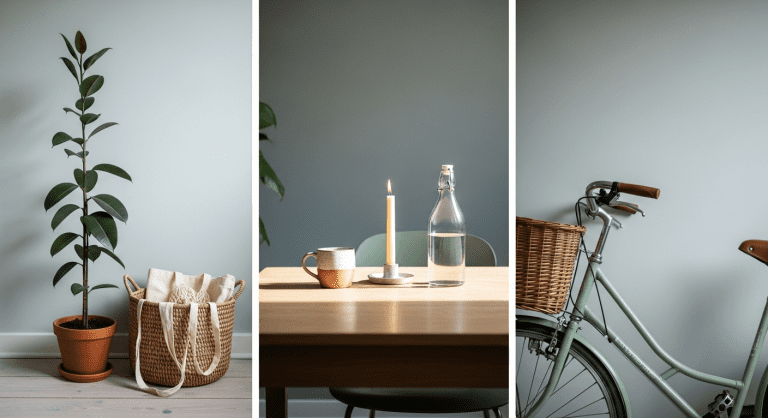

7 Sustainable Living Habits for Adults in Denmark: Your Step-by-Step Guide to Eco-Friendly Change
Sustainable living is more than a buzzword—it’s a necessity, especially for 31–40-year-old adults in Denmark who want to reduce their carbon footprint and create a healthier, more conscious lifestyle. Whether you’re just starting or seeking to refine your habits, this actionable guide will help you adopt eco-friendly living that fits Denmark’s unique culture and climate.
Why Sustainable Living Matters in Denmark
Denmark is renowned for its environmental leadership and is a global model for sustainable urban living. But while the country offers great infrastructure—like cycling lanes, green energy, and recycling programs—personal choices still make a huge difference.
- Reduces carbon emissions and protects the local environment.
- Lowers utility bills (heating, electricity, water).
- Sets a positive example for family and community.
- Improves overall quality of life and well-being.
7 Sustainable Habits to Start Today
1. Embrace Cycling and Public Transport
With some of the best cycling infrastructure in the world, Denmark makes it easy to reduce car usage. Adults in their 30s often commute, run errands, or head to social events by bike or train. Not only does this support the environment and local economy, but it also boosts your health and fitness.
- Use apps like Rejseplanen for optimal public transit planning.
- Maintain your bike regularly for safety and efficiency.
- Car-share or rent only when absolutely necessary.
2. Choose Local and Seasonal Foods
Shopping locally supports Danish farmers and reduces food miles. Look for produce labeled with “Økologisk” (organic) to guarantee sustainable standards. Frequent the weekly farmers’ markets or join a vegetable box scheme for the freshest options.
- Plan meals around what’s in season in Denmark—think root vegetables in winter, berries in summer.
- Reduce meat and dairy—try adding more pulses, grains, and leafy greens.
- Compost your food scraps to enrich your garden or community allotments.
3. Minimize Household Waste
Denmark’s advanced waste sorting system only works if individuals participate actively. Cutting down waste is about what you buy, how you use it, and how you dispose of it.
- Switch to reusable bags, water bottles, and coffee cups.
- Choose products with minimal or recyclable packaging.
- Follow official guidelines for waste separation.
4. Prioritize Energy Efficiency at Home
Heating and electricity are some of the largest sources of emissions. Danish homes can be made even greener by focusing on energy-efficient solutions.
- Upgrade to LED lighting and programmable thermostats.
- Seal windows and doors to prevent heat loss.
- Wash clothes at lower temperatures and air dry whenever possible.
- Consider investing in green energy plans or home solar panels.
5. Declutter and Buy Less
The more you buy, the bigger your environmental impact. Cultivate a minimalist lifestyle to save money and reduce waste. Focus on quality over quantity.
- Donate or recycle unused items.
- Adopt a “one in, one out” rule for clothing and gadgets.
- Choose durable, repairable products.
- Shop second-hand and support local thrift stores.
Read: 7 Minimalist Habits to Instantly Simplify Your Life
6. Adopt Water-Saving Habits
The Danes are among Europe’s lowest water users, but there’s always room to improve. Every drop counts in your path to sustainable living.
- Install water-saving showerheads and faucets.
- Take shorter showers and fix leaks quickly.
- Use eco cycles on dishwashers and washing machines.
- Collect rainwater for plants and gardens.
7. Get Involved Locally
Joining community cleanups, urban gardening, or environmental groups amplifies your impact. Denmark’s strong community spirit makes it easy for adults in their 30s to find volunteering opportunities that matter.
- Participate in neighborhood recycling drives.
- Support local conservation projects and events.
- Offer to lead sustainability workshops at work or in your housing cooperative.
- Follow organizations like Klimabevægelsen for inspiration and events.
How to Get Started: Action Plan for Busy Adults
- Pick one or two habits to focus on this month.
- Set measurable, weekly goals (e.g. cycle 3x/week, compost all food scraps).
- Track your progress and celebrate small wins—use a habit tracker or journal.
- Share your journey with friends or colleagues for extra motivation.
- Revisit your plan every month and gradually add more habits.
Need help forming new habits? Check out this guide on Habit Formation Techniques for Adults.
Benefits of Sustainable Living in Your 30s
- Better physical and mental health from clean air, less stress, and more exercise.
- Bigger savings on household bills and transportation.
- Higher personal satisfaction from making a positive impact.
- Opportunities to meet like-minded people and strengthen community ties.
Combine these benefits with strategies from our Sustainable Morning Routine Guide for even greater impact.
Comparison Table: Eco-Friendly Upgrades vs. Traditional Habits
| Traditional Habit | Sustainable Upgrade | Impact in Denmark |
|---|---|---|
| Driving alone | Cycling/Using public transport | Reduces emissions, supports active lifestyle |
| Buying packaged groceries | Shopping at farmers’ markets | Cuts plastic waste, supports local growers |
| Throwing out food scraps | Composting | Creates nutrient-rich soil, less landfill waste |
| High-energy appliances | Choosing A+++ rated appliances | Lowers power bills, conserves energy |
FAQs: Sustainable Living for 31–40-Year-Old Adults in Denmark
What are the easiest sustainable habits to start with?
Use your bike or public transport instead of a car, cut single-use plastics, and switch to energy-saving lighting. Simple, immediate, and effective!
Can sustainable living really save me money?
Absolutely. Lower utility bills, less spent on fuel, and choosing quality over quantity all deliver noticeable savings throughout the year.
Is eco-friendly shopping expensive in Denmark?
Sustainable products can cost more upfront, but quality items last longer and are often cheaper in the long run. Farmer’s markets and second-hand shops offer great value.
How do I motivate my friends and family?
Lead by example, share practical tips, and invite them to events or challenges. Collective action makes new habits stick.
Are there local resources for Danish adults looking to live sustainably?
Yes! Check out the Ministry of Environment and Klimabevægelsen for guides, news, and community events.
Conclusion: Small Steps, Big Impact
Sustainable living for 31–40-year-old adults in Denmark is achievable, rewarding, and essential for a thriving future. By adopting eco-friendly habits and making conscious choices daily, you join a growing movement of Danes creating lasting change.
- Start small—pick two habits this month.
- Track progress and celebrate every step forward.
- Share your journey, and inspire your community.
For more on building positive routines, explore our guide to Morning Routines for Peak Productivity and stay tuned for more sustainable living inspiration at NefeBlog.


0 Comments