


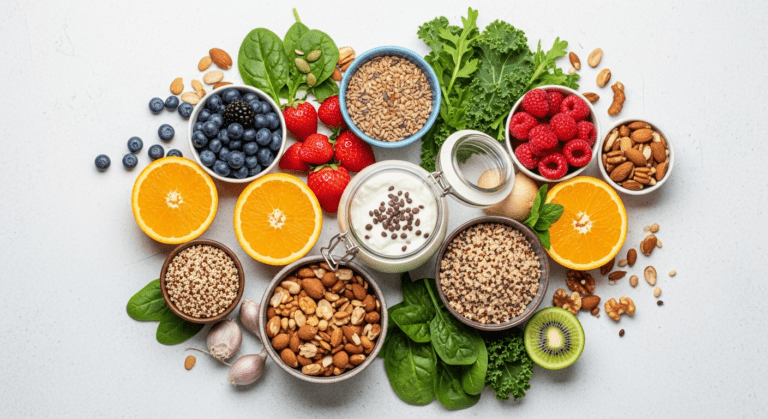

Effective Strategies for Improving Gut Health Naturally in Young Adults
Maintaining a healthy gut is essential for overall wellness, especially for young adults aiming to boost immunity, improve digestion, and enhance mental clarity. If you’re in your 20s or early 30s and want to optimize gut health without resorting to supplements or medications, this comprehensive guide is designed for you. Discover proven, natural methods to strengthen your digestive system and promote long-term health.
Understanding Gut Health and Its Importance
Your gut, or gastrointestinal (GI) tract, plays a pivotal role in nutrient absorption, immune function, and even mental health. An imbalanced gut microbiome can lead to issues like bloating, fatigue, and susceptibility to illnesses. As a young adult, establishing good gut habits now can prevent chronic diseases later in life.
Key Factors Affecting Gut Health in Young Adults
- Diet: High processed foods, sugar, and unhealthy fats disrupt microbiota balance.
- Stress: Chronic stress alters gut bacteria and impairs digestion.
- Sleep: Poor sleep reduces gut diversity and hampers recovery.
- Exercise: Sedentary lifestyle decreases microbial diversity.
Natural Ways to Enhance Gut Health for Young Adults
1. Incorporate Fermented Foods into Your Diet
Fermented foods such as yogurt, kimchi, sauerkraut, and kombucha introduce beneficial probiotics that help balance gut bacteria. Regular consumption can lead to improved digestion and immune support.
2. Increase Dietary Fiber Intake
High-fiber foods nourish good gut bacteria and promote regular bowel movements. Focus on whole grains, fruits, vegetables, nuts, and seeds.
3. Reduce Intake of Processed and Sugary Foods
Cutting back on processed snacks, fast food, and sugary beverages helps prevent dysbiosis—an imbalance in gut bacteria—and reduces inflammation.
4. Practice Mindful Eating
Eating slowly and chewing thoroughly decreases digestive strain and enhances nutrient absorption. Avoid overeating by listening to your body’s hunger cues.
5. Manage Stress Effectively
Techniques like meditation, deep breathing, and yoga lessen stress impacts on gut health. Regular stress management supports microbiome diversity.
6. Prioritize Quality Sleep
Aim for 7-9 hours of restorative sleep. Adequate rest replenishes gut lining and balances hormones that influence digestion.
7. Stay Physically Active
Engage in regular exercise like brisk walking, cycling, or resistance training to boost gut microbial diversity. Even moderate activity improves intestinal transit.
Supporting Your Gut Health with Lifestyle Tips
- Stay Hydrated: Drink plenty of water to facilitate digestion and toxin removal.
- Avoid Antibiotics Unless Necessary: Overuse disrupts microbiota. Always consult with your healthcare provider.
- Limit Alcohol Consumption: Excessive alcohol damages gut lining and alters microbiota composition.
Common Mistakes Young Adults Make That Harm Gut Health
- Consuming too many artificial sweeteners
- Ignoring the importance of diverse, fiber-rich diets
- Neglecting stress management practices
- Sedentary lifestyle habits
Long-Term Benefits of a Healthy Gut
Improving gut health not only boosts immune function and digestion but also positively influences mood, skin health, and energy levels. Establishing these habits now creates a solid foundation for healthy aging and resilience against illness.
FAQs About Natural Gut Health Improvement
1. How long does it take to see improvements in gut health?
Most individuals notice changes within 2-4 weeks of consistent dietary and lifestyle modifications, but full microbiome balance can take months.
2. Are probiotics necessary for gut health?
While probiotics in foods are beneficial, a diverse diet rich in prebiotics (fiber) often suffices to maintain a healthy microbiome without supplements.
3. Can gut health problems resolve naturally?
Yes, with proper diet, stress management, and lifestyle changes, many gut-related issues improve without medication.
4. What are the signs of poor gut health?
Frequent bloating, gas, diarrhea, constipation, fatigue, and skin issues can indicate imbalance or inflammation in the gut.
5. Is it safe to make drastic dietary changes?
Gradual adjustments are recommended. Consulting a healthcare professional ensures your approach is safe and effective.
Conclusion: Building a Resilient Gut for a Healthier Future
For young adults eager to optimize their health, focusing on natural gut health strategies offers sustainable benefits. Prioritize fermented foods, high-fiber diets, stress management, and regular activity to nurture your microbiome. These habits will pay dividends in immunity, mental clarity, and overall vitality—setting you up for a healthier, happier life.
For more detailed tips on holistic health, explore our health and fitness category or check out natural sleep remedies for holistic wellness ideas.




0 Comments