


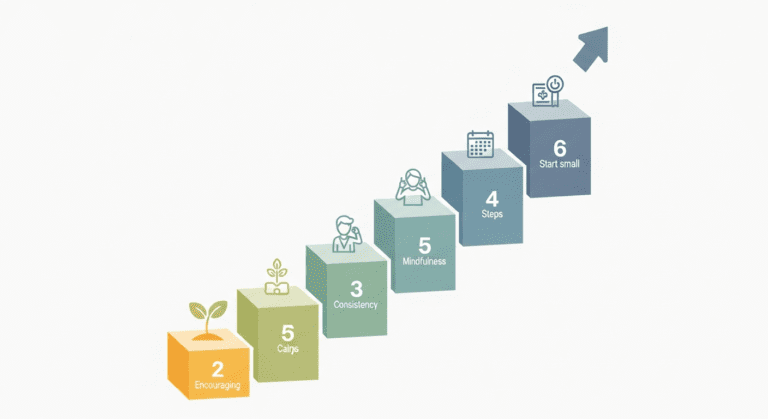

Ultimate Guide to Building Self-Discipline for Young Adults in the USA
Are you struggling to stay focused on your goals or stick to healthy habits? Building self-discipline is the key to unlocking your full potential. Whether you want to advance in your career, improve your health, or achieve personal growth, developing strong self-discipline is essential. This comprehensive guide will provide step-by-step strategies tailored for young adults in the USA, backed by proven techniques and expert insights.
Understanding Self-Discipline and Its Importance
Self-discipline is the ability to control impulses, stay committed to goals, and resist distractions. It is a foundational skill that influences every aspect of life, from financial stability to mental well-being. Young adults often face numerous temptations and distractions, making self-discipline even more crucial for success.
According to leading psychologists, cultivating self-discipline leads to better decision-making, higher productivity, and increased resilience. Building this trait can transform your life by enabling you to accomplish long-term goals that seem out of reach.
Common Challenges Young Adults Face in Developing Self-Discipline
- Procrastination and distraction from social media
- Impulse spending and poor financial habits
- Difficulty maintaining healthy routines
- Lack of motivation or clear goals
- Overcoming setbacks and emotional lows
Overcoming these obstacles requires strategic approaches that are sustainable and tailored to your lifestyle as a young adult in America.
Step-by-Step Strategies to Cultivate Self-Discipline
1. Set Clear, Achievable Goals
Start by defining specific goals aligned with your values. Use the SMART (Specific, Measurable, Achievable, Relevant, Time-bound) framework to create targets that motivate you without overwhelming. For example, instead of “get fit,” aim for “exercise 3 times a week for 30 minutes.”
2. Create a Consistent Routine
Consistency is key to building self-discipline. Develop daily habits that reinforce your goals, such as morning meditation, scheduled exercise, or dedicated work hours. Use tools like morning routines to boost focus and energy.
3. Minimize Temptations and Distractions
- Limit social media use with app blockers
- Designate specific times for leisure activities
- Organize your workspace to reduce clutter
Creating an environment conducive to discipline reduces the likelihood of falling into distractions.
4. Use the Pomodoro Technique for Focused Work
This method involves working in focused 25-minute intervals followed by 5-minute breaks. It improves concentration and prevents burnout. Apps like Pomodoro timers can help implement this technique effectively.
5. Track Progress and Celebrate Small Wins
Maintain a journal or use apps to monitor daily progress. Recognizing achievements reinforces positive behavior and fuels motivation. For instance, reward yourself with a small treat after completing a week of consistent workouts.
6. Manage Setbacks with Resilience
If you encounter setbacks, analyze what went wrong without self-criticism. Adjust your strategies and recommit. Resilience is a vital component of long-term self-discipline.
Additional Tips for sustainable Self-Discipline
- Practice mindfulness and meditation to improve emotional regulation—learn more here
- Build a support network by sharing goals with friends or mentors
- Prioritize self-care to prevent burnout
- Use financial planning tools to stay disciplined with money—see how
Common FAQs About Building Self-Discipline
1. How long does it take to build strong self-discipline?
Research indicates it typically takes around 21 to 66 days to establish a new habit, but building genuine self-discipline is an ongoing process requiring consistent effort.
2. What are the best tools for developing discipline?
Strategies include habit trackers, digital calendars, accountability partners, and apps like Focus Booster or Forest to maintain focus.
3. Can self-discipline be learned or is it innate?
Self-discipline is a skill that can be cultivated through deliberate practice, routines, and mindset shifts. It is not solely innate but highly trainable.
4. How do I stay motivated during setbacks?
Remind yourself of your goals, celebrate small wins, and seek support from peers or mentors. Resilience and patience are crucial.
5. How does self-discipline impact mental health?
Developing self-discipline can reduce stress, improve self-esteem, and foster a sense of control, ultimately boosting mental well-being.
Conclusion
Building self-discipline is a powerful way for young adults in the USA to turn aspirations into realities. By setting clear goals, creating routines, minimizing distractions, and practicing resilience, you develop the inner strength to overcome challenges and achieve lasting success. Remember, this is a journey—be patient, stay consistent, and celebrate your progress along the way.
Start today by implementing one or two strategies from this guide. You’ll be surprised at how quickly your habits transform, paving the way to a more disciplined and fulfilling life.
For more tips on personal growth and self-improvement, explore our blog for authoritative advice and proven methods.




0 Comments