


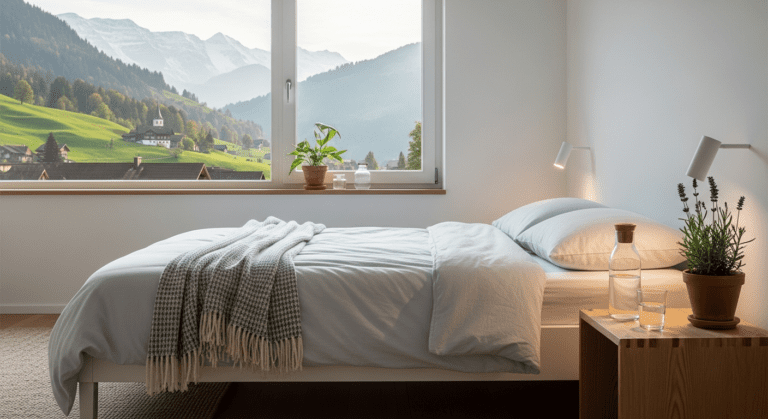

Natural Ways to Improve Sleep Quality for Adults in Switzerland: Comprehensive Guide
Getting a good night’s sleep is crucial for maintaining overall health, especially for adults living in Switzerland where busy schedules and high-stress environments often impact rest. If you struggle with insomnia or poor sleep quality, this guide offers scientifically-backed natural methods to enhance your sleep, boost energy, and improve your well-being. Discover actionable strategies tailored specifically for Swiss adults who want to optimize their sleep naturally.
Why Is Quality Sleep Important for Swiss Adults?
In Switzerland, where the quality of life is high, many adults face challenges like work stress, environmental factors, and lifestyle choices that disturb sleep. Quality sleep supports brain health, strengthens the immune system, improves mood, and enhances productivity. On the other hand, poor sleep increases risks of chronic conditions like diabetes, heart disease, and mental health issues.
Common Sleep Problems Among Swiss Adults
- Insomnia: Difficulty falling or staying asleep
- Sleep disruptions: Frequent awakenings during the night
- Sleep apnea: Breathing issues disrupting sleep cycles
- Stress and anxiety: Leading causes of sleep disturbances
- Environmental factors: Noise, light, and temperature fluctuations
Natural Strategies to Enhance Sleep Quality
1. Establish a Consistent Sleep Routine
Maintaining a regular sleep schedule helps train your body’s internal clock. Aim to go to bed and wake up at the same time daily, even on weekends. Consistency reinforces your circadian rhythm, leading to deeper, more restorative sleep.
Tip: Swiss adults often enjoy outdoor activities; leveraging natural light during the day can aid in regulating your sleep-wake cycle.
2. Optimize Your Sleep Environment
Creating a tranquil sleep setting is vital. Ensure your bedroom is cool (about 18-20°C in Switzerland’s climate), dark, and quiet. Use blackout curtains and consider white noise machines or earplugs to block disturbances.
| Environmental Factor | Recommendation |
|---|---|
| Light | Dark curtains or sleep masks |
| Temperature | Maintain 18-20°C |
| Noise | White noise or earplugs |
3. Practice Relaxation Techniques Before Bed
Ease your mind with relaxation methods like meditation, deep breathing exercises, or progressive muscle relaxation. These reduce stress hormones and prepare your body for sleep.
Try this simple breathing exercise: Inhale slowly for four seconds, hold for seven seconds, then exhale for eight seconds. Repeat until calm.
4. Limit Screen Time and Blue Light Exposure
Exposure to screens emits blue light, suppressing melatonin—the sleep hormone. Avoid screens at least one hour before bed. Instead, opt for reading, listening to calming music, or engaging in gentle yoga.
Tip: Use blue light filters or glasses if you must use devices at night.
5. Incorporate Natural Supplements and Foods
Several natural products can promote sleep. Melatonin supplements can be considered after consulting a healthcare professional. Incorporate foods rich in tryptophan, magnesium, and melatonin, such as walnuts, bananas, and herbal teas like chamomile or valerian root.
Note: Always check with your doctor before adding supplements to your routine.
Additional Tips for Better Sleep in Switzerland
- Limit caffeine, especially after noon, to prevent interference with sleep.
- Engage in regular physical activity but avoid intense exercise close to bedtime.
- Manage stress through mindfulness practices or hobbies like hiking in Swiss Alps.
Common Mistakes to Avoid
- Irregular sleep schedules
- Consuming heavy meals or alcohol close to bedtime
- Using screens excessively in the evening
- Ignoring underlying health issues like sleep apnea
FAQs: Improving Sleep Quality Naturally
1. Can natural remedies replace sleep medications?
Yes, natural methods like relaxation techniques, sleep-friendly environment, and dietary adjustments can significantly improve sleep quality without medications. However, consult a healthcare provider for persistent sleep issues.
2. How does Swiss climate affect sleep patterns?
The variability in daylight hours, especially during winter, can impact circadian rhythms. Using light therapy and maintaining consistent routines can mitigate seasonal sleep issues.
3. Are there any specific herbal teas beneficial for sleep in Switzerland?
Herbal teas like chamomile, valerian root, and lemon balm are popular for their calming effects. Choose organic options to ensure quality.
4. How long does it take to see improvement from these natural methods?
Most adults notice better sleep within one to two weeks of consistent practice. For chronic issues, it may take longer, and medical advice may be necessary.
5. Is it safe to take supplements like melatonin regularly?
Short-term use is generally safe when guided by a healthcare provider. Long-term safety requires further research, so professional consultation is recommended before regular use.
Conclusion
Improving sleep quality naturally is achievable through consistency, optimizing your environment, reducing stress, and mindful dietary choices. For Swiss adults, leveraging local environmental factors and lifestyle habits can enhance your sleep and overall health. Prioritize these evidence-based strategies for a rested, energized life.
Actionable takeaway: Start by establishing a sleep routine today, create a calming sleep environment, and incorporate relaxation techniques before bed for noticeable improvements in sleep quality.




0 Comments