



How to Build a Simple 50/30/20 Budget as a Young Adult in the USA
Feeling like your paycheck disappears too quickly? A simple 50/30/20 budget can help you take control of your money without needing complex spreadsheets or financial jargon. This guide walks through each step in a clear, practical way so you can start today.
What the 50/30/20 Budget Is
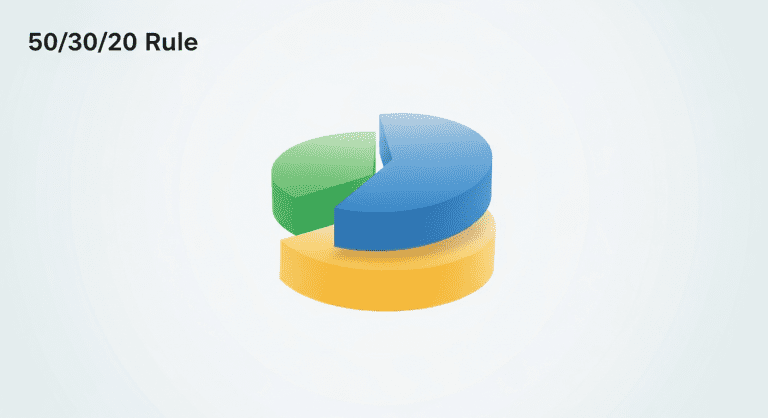
The 50/30/20 rule is a budgeting method where you divide your take-home income into three main categories: needs, wants, and savings or debt payments. It works especially well for young adults because it is easy to understand and flexible enough to adjust as your income grows.
- 50% for needs (rent, groceries, transportation, minimum debt payments, basic bills).
- 30% for wants (eating out, streaming, travel, hobbies, shopping).
- 20% for savings and extra debt payoff (emergency fund, investments, extra loan payments).
Step 1: Find Your True Take-Home Pay
The first step in any budgeting plan is knowing exactly how much money reaches your bank account each month after taxes and mandatory deductions. Do not use your gross salary for this calculation, because that overestimates what you can actually spend.
If you are paid every two weeks, multiply one paycheck by 26, then divide by 12 to get your average monthly take-home pay. If you are paid weekly, multiply one paycheck by 52 and then divide by 12 to find a realistic monthly number.
Quick example
Suppose your take-home pay is 2,800 dollars per month after taxes and deductions. This is the number you will use to calculate how much goes into needs, wants, and savings. Writing this amount at the top of your budget keeps your plan grounded in reality.
Step 2: Apply the 50/30/20 Percentages
Once you know your monthly take-home pay, multiply it by 0.50, 0.30, and 0.20 to find your target amounts for each category. Using percentages makes the budget formula automatically scale as your income changes over time.
- Needs: 2,800 × 0.50 = 1,400 dollars.
- Wants: 2,800 × 0.30 = 840 dollars.
- Savings and debt: 2,800 × 0.20 = 560 dollars.
These numbers are targets, not rigid rules, but they give you a strong starting point for a balanced budget that supports both your current lifestyle and your future goals.
Step 3: List Your Real “Needs”
Many people accidentally treat wants as needs, so it is important to define needs strictly in your personal budget. Needs are the expenses you must pay to live and work safely, not just things that make life nicer.
- Rent or housing payment.
- Utilities (electricity, water, basic internet).
- Groceries (not takeout or restaurants).
- Transportation to work or school (gas, public transit, basic car expenses).
- Minimum payments on debts (credit cards, student loans, personal loans).
- Basic insurance premiums required for health or legal reasons.
Add these up and compare the total to your 50 percent needs target. If the total is much higher than the target, your cost of living may be too high, and you may need to adjust housing, transportation, or other big fixed expenses over time.
Step 4: Separate Wants from Needs Clearly
Wants are the expenses that make life more enjoyable but that you could pause or reduce temporarily if necessary. Getting honest about wants helps free up money for savings and debt payoff without feeling like every cut is painful.
- Dining out, coffee shops, and food delivery.
- Streaming services and entertainment subscriptions.
- Nonessential shopping (clothes, gadgets, decor, impulse buys).
- Vacations, weekend trips, concerts, and events.
- Upgrades (premium phone plans, extra apps, luxury brands).
If your wants are regularly higher than 30 percent of your income, start by trimming a few smaller recurring expenses. Cancel or pause one subscription, or set a weekly cap for nonessential spending to keep your spending habits aligned with your budget.
Step 5: Decide How to Use the 20% for Savings and Debt
The 20 percent category is what actually moves you toward financial independence. This portion is for building savings, investing, and paying more than the minimum on high-interest debts. Treat it like a nonnegotiable bill you pay to your future self.
- Start or grow an emergency fund until you have three to six months of essential expenses.
- Pay extra on high-interest credit card balances to reduce interest costs.
- Contribute to retirement accounts such as a 401(k) or IRA.
- Save for short-term goals like a move, car, or major purchase.
If your employer offers a retirement match, prioritize contributing enough to get the full match, because it is essentially free money that accelerates your long-term growth. After that, focus extra payments on your highest-interest debts first.
Step 6: Put the Budget on Autopilot
Automation makes it easier to follow your monthly budget consistently, especially when life gets busy. The more you automate, the less you rely on willpower to make good money decisions every single day.
- Set automatic transfers to savings the day after payday.
- Schedule automatic payments for minimum debts and recurring bills.
- Use a separate checking account or card for wants to keep them contained.
Many banks and budgeting apps allow you to set categories and alerts, so you can quickly see if you are close to your 30 percent limit on wants or falling behind on your 20 percent savings goal. This keeps your cash flow visible without constant manual tracking.
Step 7: Adjust for the Reality of High Costs
In many parts of the USA, high rent and inflation can make it hard to stay perfectly inside the 50/30/20 lines. If your needs are closer to 55 or 60 percent, it does not mean the method is failing; it simply means you need a customized version.
- Consider roommates or a smaller place to reduce housing costs over time.
- Look for cheaper phone plans, internet bundles, or insurance options.
- Use public transit, carpooling, or biking when possible to cut transportation expenses.
Even shifting your budget gradually toward the 50/30/20 structure helps create more room for savings and investing, especially as your income increases with career growth or side hustles.
Step 8: Review Your Budget Monthly
A budget is not a one-time document; it is a living plan that should reflect your current priorities. A short monthly review keeps your financial plan aligned with new expenses, income changes, and upcoming events.
- Look at last month’s spending by category.
- Check if you hit your 20 percent savings and debt payoff goal.
- Identify one area to trim and one area to protect or increase.
Schedule this review on the same day each month, such as the first Sunday, so it becomes a habit rather than a task you only do when stressed. Consistent small tweaks are easier than dramatic changes after a crisis drains your emergency fund.
Common Mistakes Young Adults Make
Young adults in the USA often struggle with their first independent budget because they underestimate certain expenses and overestimate how much is left for fun. Recognizing these patterns early can save a lot of stress later.
- Ignoring irregular costs like car repairs, medical bills, or annual fees.
- Relying heavily on credit cards for wants instead of planning them in cash.
- Putting savings last instead of treating it like a fixed, nonnegotiable bill.
Avoiding these pitfalls makes the 50/30/20 method more effective and keeps your debt levels under control as you navigate new responsibilities like rent, utilities, and insurance.
Helpful Resources to Go Deeper
To deepen your understanding of budgeting strategies and money management, explore trustworthy educational content from established financial organizations. Look for resources that explain budgeting, credit, and savings in clear, practical language rather than chasing quick-win hacks.
For additional reading, you can check general money guides offered by major banks or credit education sites, such as a budgeting article from a large financial institution or a credit-focused guide from services like Experian. Another useful option is reading about practical money moves and planning checklists from long-running publications such as Kiplinger.
Summary
A 50/30/20 budget gives young adults in the USA a straightforward way to organize their money into needs, wants, and savings or debt payoff without complicated tools. By calculating your true take-home pay, setting percentage targets, separating needs from wants, and automating savings, you build a system that supports both everyday life and long-term goals.
Regular monthly reviews and small adjustments help you stay on track, handle rising costs, and avoid common money mistakes, so your personal finance journey feels intentional instead of stressful. Over time, this simple structure can become the foundation for more advanced goals like investing, homeownership, or early retirement.


0 Comments