



Venezuela Regime Change 2026: What You Need to Know About Operation Absolute Resolve
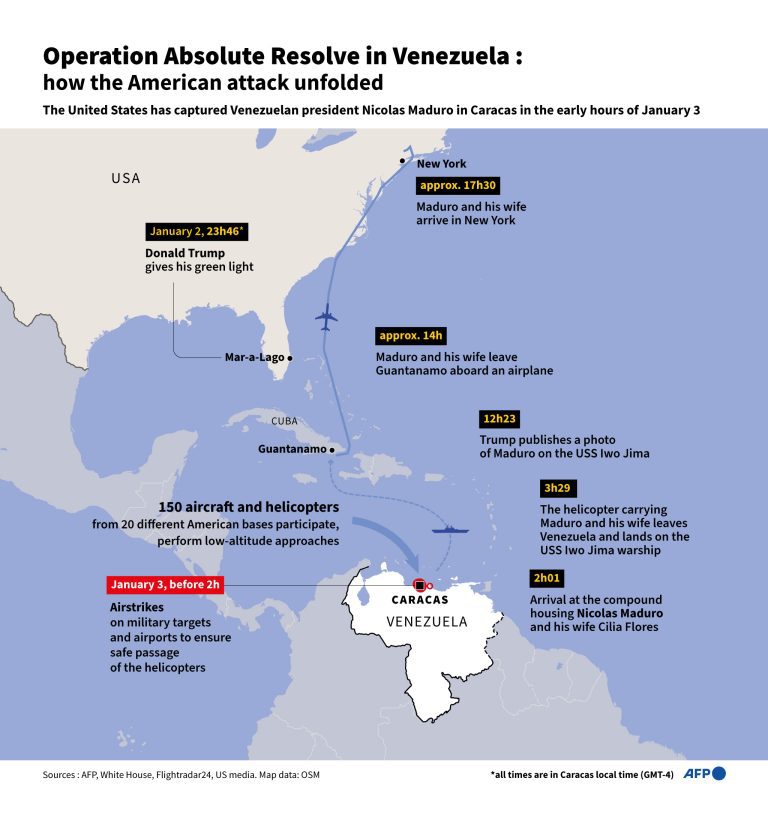
On January 3, 2026, a pivotal event unfolded in Latin America: the U.S. Armed Forces launched Operation Absolute Resolve, marking the first direct military intervention to topple a sitting Venezuelan president in decades. This sudden operation involved coordinated airstrikes and special forces raids that resulted in the capture of President Nicolás Maduro and his wife, Cilia Flores, at his Caracas residence around 2 a.m. local time. This unprecedented move reflects significant shifts in U.S. foreign policy and international geopolitics, and understanding the details is crucial for analysts, investors, and political enthusiasts alike.
Understanding the Background of the Venezuela Crisis
Maduro’s rule has been characterized by economic collapse, hyperinflation, and political repression since 2013 after Hugo Chávez’s death. Over the years, Venezuela has become a hub of drug trafficking, with groups like Tren de Aragua exploiting the chaos for profit. The country’s dependence on oil, coupled with rigged elections in 2018 and 2024-25, intensified international sanctions and internal unrest. The U.S. view Maduro’s government as an obstacle to regional stability and strategic resource access, especially in securing control over Venezuela’s vast oil reserves.
Details of Operation Absolute Resolve
Key Facts and Timeline
- Date of operation: January 3, 2026
- Previous escalation: Late December 2025, U.S. forces targeted Tren de Aragua smuggling routes.
- Maduro’s rejection: Declined U.S. exile offers to Turkey, opting to stay in Venezuela.
- Operation components: Coordinated airstrikes on northern Venezuelan infrastructure and Delta Force raids in Caracas.
- Outcome: Maduro and Cilia Flores captured; transitional government formed.
Key Players Involved
- U.S. government: President Donald Trump authorized the operation, citing oil and drug combat as primary goals.
- Secretaries and advisors: Stephen Miller, Secretary of State Marco Rubio—who reportedly contacted Venezuelan VP Delcy Rodríguez.
- Venezuelan figures: VP Delcy Rodríguez, military leaders Vladimir Padrino López and Diosdado Cabello, and opposition members like María Corina Machado.
- Opposition position: The transitional government includes exiled generals like Miguel Rodríguez Torres, seeking to navigate the post-Maduro era.
Geopolitical and Economic Implications
Regional and Global Reactions
The international community quickly responded, with the UN Security Council convening an emergency session condemning the invasion as a violation of sovereignty, highlighting concerns over setting a dangerous precedent.
U.S. Strategic Goals and Risks
- Domination of oil resources: Gaining access to Venezuela’s oil to boost U.S. energy markets and investors.
- Disruption of drug trafficking: Targeting groups like Tren de Aragua, which have ties to regional and international drug networks.
- Geopolitical shifts: Disrupting Iran and Russia’s influence in Venezuela.
- Risks involved: Civil conflict, chaos, or a “Pottery Barn” effect where U.S. control faces resistance or withdrawal difficulties.
The Future of Venezuela Post-Operation
While the operation successfully removed Maduro from power, the path toward stable governance remains uncertain. The transitional government, led by figures like Delcy Rodríguez, faces internal divisions and external skepticism about legitimacy. For the Venezuelan people, this represents a complex mix of opportunities and risks—potential for democracy, but also danger of prolonged instability.
Why This Event Is Trending and Its Significance
This unprecedented military intervention marks a historic turning point in U.S.-Latin America relations, indicating a willingness to bypass traditional diplomatic methods for direct action. It fundamentally alters the regional power balance, with potential ripple effects affecting neighboring countries, international trade, and global energy markets.
Impacts on Global Markets and Politics
- Oil markets: Anticipate volatility due to Venezuela’s position as a major oil exporter.
- Latin American stability: Increased regional tensions and refugee flows.
- International law: Challenges to sovereignty principles, prompting debates on interventions.
Key Questions and FAQs about Venezuela’s Regime Change
1. Why did the U.S. decide to intervene militarily in Venezuela?
The U.S. aimed to remove Maduro, citing concerns over oil access, drug trafficking, human rights abuses, and regional stability. The operation was also driven by economic motivations, including securing Venezuela’s vast oil reserves for American investors.
2. What are the potential consequences of this regime change?
If successful, it could lead to renewed democracy or prolonged chaos. Risks include civil war, regional destabilization, humanitarian crises, and international disputes over sovereignty and intervention legality.
3. How has Maduro responded to the operation?
Maduro rejected U.S. exile offers and labeled the operation as a kidnapping. He called for protests and appeals to allied governments like Russia and China for support, seeking to restore his grip on power.
4. What are the prospects for Venezuela’s political future?
The transitional government faces challenges in establishing legitimacy amid internal divisions and external pressures. The long-term future depends on regional stability, internal reconciliation, and international support for democratic processes.
5. How will this impact U.S.-Latin America relations?
The intervention might trigger opposition from other Latin American countries wary of U.S. military interference. Conversely, some nations may see it as a blueprint for addressing similar crises, shifting regional alliances.
Conclusion & Key Takeaways
The 2026 Venezuela regime change through Operation Absolute Resolve marks a historic shift in U.S. foreign policy, challenging the norms of sovereignty and regional stability. While it achieves the immediate goal of removing Maduro, the long-term outcome remains uncertain, with risks of instability, conflict, and international repercussions.
For investors, policymakers, and global analysts, monitoring Venezuela’s transition is crucial. This event underscores the importance of strategic patience, regional diplomacy, and understanding the complexities of regime change in a geopolitically sensitive environment.
Further Reading & External Resources
- Wikipedia: 2026 US Strikes in Venezuela
- CSIS Analysis: Maduro Captured & Next Steps
- UN Security Council on Venezuela Conflict
- Related: Building a Strong Leadership Profile
Final Thoughts
The 2026 Venezuela crisis exemplifies how international conflicts can redefine regional dynamics. While the immediate removal of Maduro restores U.S. influence, the road ahead requires careful diplomacy and support for Venezuela’s citizens to foster long-lasting stability.




0 Comments