



The Emerging Nuclear Arms Race in 2026: A Deep Dive into Global Security Risks
In 2026, the world stands on a precipice of a new nuclear arms race that threatens to eclipse Cold War tensions. Driven by technological advancements, eroding arms control agreements, and escalating geopolitical conflicts, this development raises urgent questions about global stability. This article explores the key factors fueling this dangerous resurgence, the players involved, and what it means for future security.
Understanding the 2026 Nuclear Arms Race: Why It Matters
Published just ahead of the expiration of the New START treaty on February 4, 2026, this analysis highlights how declining arms control efforts and rising tensions have reignited fierce competition among major powers such as the United States, Russia, and China. The potential for a destabilizing nuclear escalation poses a threat to global peace much worse than during the Cold War era.
Key Events and Developments Leading to the 2026 Crisis
Expiration of New START and Cold War Legacies
- The New START treaty—a cornerstone of US-Russia nuclear limits—expired in February 2026 without renewal.
- Russia’s suspension of New START in 2023 heightened fears of an uncontrolled arms buildup.
- The U.S. deployed low-yield nuclear warheads on submarines since 2020, signaling a shift toward more flexible nuclear options.
Rapid Modernization and Expansion
- China aims to expand its arsenal to over 1,000 warheads by 2030, according to U.S. intelligence estimates.
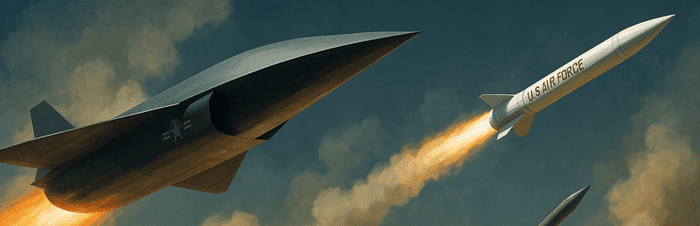
- Russia has advanced hypersonic missile systems like the Avangard (deployed in 2019) and the Poseidon drone torpedo, capable of evading missile defenses.
- New technologies—such as hypersonics, fractional orbital bombardment systems (tested in 2021 by both Russia and China), and AI-integrated nuclear weapons—are fueling the pace of proliferation.
Technological Innovations and Their Impact on the Arms Race
Hypersonic Missiles and Fractional Orbital Bombardment Systems
- Hypersonic weapons travel at Mach 5+ and can maneuver unpredictably, making them exceptionally difficult to intercept.
- Fractional orbital bombardment systems (FOBS), tested by Russia and China in 2021, allow nuclear strikes from unpredictable trajectories.
Artificial Intelligence and Nuclear Decision-Making
- AI integration aims to improve missile targeting and response times.
- However, it also raises risks of miscalculation, accidental launches, or escalation due to technological failures.
De-escalation or Escalation? The New Doctrine
Some nuclear powers adopt “escalate to de-escalate” strategies, where limited nuclear use is intended to turn conflicts in their favor, complicating deterrence and increasing accident risks.
Geopolitical Flashpoints Accelerating the Race
- The ongoing Russia-Ukraine conflict has vividly demonstrated Russia’s nuclear posturing, with President Vladimir Putin threatening nuclear use in de-escalation attempts.
- U.S.-China rivalry intensifies as both nations invest heavily in advanced nuclear and missile technologies amid mutual suspicion.
- Middle East tensions further contribute to the sense of instability, where nuclear proliferation risks are persistently high.
Implications for Global Security
The convergence of technological innovation, treaty breakdowns, and geopolitical tensions creates a perfect storm for a more dangerous and unpredictable nuclear landscape. The potential for accidental launches, miscalculations, or false alarms increases, especially as AI and hypersonics add layers of complexity.
These developments pose grave risks beyond national borders, threatening humanity’s future. As experts warn, the post-2022 collapse of nuclear controls signifies a critical need for renewed diplomacy and arms control measures.
What Can Be Done to Mitigate the Risks?
Efforts must focus on reviving treaties and establishing new frameworks adapted to modern technologies. Key actions include:
- Restarting negotiations on US-Russia nuclear agreements.
- Developing transparency measures for emerging technologies like AI-powered weapons and hypersonics.
- Strengthening international watchdogs and verification mechanisms to prevent clandestine build-ups.
- Encouraging diplomatic forums to address multi-lateral nuclear stability.
Conclusion: The Urgency of Rebuilding Nuclear Stability
The approaching expiration of the New START treaty and the accelerating arms development by major powers signal a perilous turning point. The 2026 nuclear arms race threatens to undermine decades of progress toward nuclear deterrence and peace. Immediate, concerted efforts are vital to prevent an escalation that could spiral into global catastrophe.
Stay informed and advocate for renewed commitments to arms control and diplomatic stability to safeguard our shared future.
Frequently Asked Questions (FAQs)
What caused the collapse of the New START treaty?
The treaty’s expiration was driven by political disagreements, Russia’s suspension in 2023, and shifting priorities among nuclear powers, all amidst increased tensions.
How do hypersonic missiles impact nuclear deterrence?
Hypersonics can bypass existing missile defenses due to their speed and maneuverability, complicating deterrence and raising the risk of pre-emptive escalation.
What are the main risks of an emerging nuclear arms race?
Risks include accidental launches, miscalculations due to AI or hypersonic misreadings, and strategic destabilization, all exacerbated by weak arms control agreements.
Can renewed treaties prevent a nuclear conflict?
Yes, reinforced treaties and transparency measures are essential to limiting proliferation and maintaining strategic stability. However, political will and trust are crucial.
Where can I learn more about nuclear proliferation and arms control?
Reliable sources include Arms Control Association and FAS.
Final Thoughts
The emergence of a new nuclear arms race in 2026 underscores the urgent need for global leadership, renewed diplomacy, and technological safeguards. As innovators develop cutting-edge weapons, the international community must prioritize preventing escalation and securing a safer future for all humanity.
Learn more about global security issues at NefeBlog and stay updated on the latest geopolitical developments.




0 Comments