


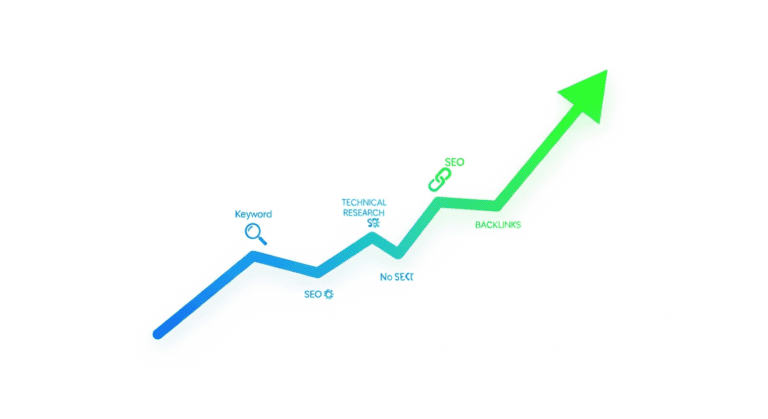

The Ultimate Guide to Boost Your SEO Rankings in 2024
Are you struggling to get your website to rank higher on Google? If so, you’re not alone. In the ever-evolving world of SEO, staying ahead requires understanding the latest tactics, algorithm updates, and best practices. This comprehensive guide will show you how to optimize your content effectively and outrank the top competitors on search engines in 2024.
Understanding Search Intent: The Foundation of SEO Success
Before creating any content, it’s crucial to identify the search intent behind your target keywords. Google primarily categorizes intent into four types: Informational, Commercial, Transactional, and Navigational.
- Informational: Users seek facts or how-to guides. Example: “How to improve SEO rankings.”
- Commercial: Users compare options or seek reviews. Example: “Best SEO tools 2024.”
- Transactional: Users intend to purchase or subscribe. Example: “Buy SEO course.”
- Navigational: Users want to find a specific website. Example: “Moz official website.”
Ensuring your content aligns precisely with the search intent makes it easier to rank and satisfy user needs effectively.
Keyword Strategy for Optimal Ranking
Effective SEO begins with a strategic selection of keywords. Your goal is to target rankable keywords that balance search volume with competition level:
- Primary Keyword: The main focus (e.g., “SEO ranking strategies 2024”).
- Secondary Keywords: Related topics (e.g., “Google ranking factors,” “SEO tools”).
- LSI / Semantic Keywords: Variations and related terms (e.g., “search engine optimization,” “ranking algorithm”).
- PAA Questions & Long-Tail Keywords: Specific questions like “How can I improve my website ranking?” with low competition.
Natural keyword integration across headings, para, and bulleted lists boosts relevance without keyword stuffing.
Competitive Gap Analysis: Outperform the Top 5 Results
To beat existing top-ranked pages, analyze their content and identify gaps:
- Check if they lack comprehensive coverage of subtopics like technical SEO or content optimization best practices.
- Identify unanswered questions in their People Also Ask sections.
- Enhance clarity with detailed examples, step-by-step guides, or comparison tables.
- Update outdated strategies with the latest algorithm updates and best practices for 2024.
Strive to provide more in-depth, clear, and actionable content that solves every user query.
Optimized Content Structure for SEO
Use Hierarchical Headings
Employ H1-H2-H3 hierarchy to organize content logically:
- H2: Main keyword clusters (e.g., “Technical SEO Checklist”)
- H3: Specific steps or subtopics (e.g., “Improve Site Speed,” “Optimize Site Structure”)
Engaging and Scannable Paragraphs
Keep paragraphs between 2-4 lines. Incorporate bullet points, tables, and FAQs to enhance readability for mobile users and skimmers alike.
Implementing SEO Best Practices
- Keyword Placement: Include primary keywords in the title, first 100 words, at least one H2, and naturally throughout the content.
- Internal Linking: Connect to relevant articles for > improved navigation:
- External Authority Links: Reference reputable sources like Google Search Central Blog or Moz’s SEO guide.
Content Depth and User Problem-Solving
Every section must directly solve a searcher’s problem:
- Provide step-by-step instructions for actions like optimizing images or improving site speed.
- Include tools and tips such as Google Search Console, Ahrefs, or SEMrush.
- Highlight common mistakes and how to avoid them.
Enhancing Your Content for Google’s Featured Snippets and PAA
Carefully craft answers designed for snippets and People Also Ask boxes:
- Use clear, concise sentences with structured data like lists or tables.
- Answer questions directly at the beginning of sections.
- Include FAQs with brief, authoritative answers:
Sample FAQs
- How long does it take to see SEO results? Typically 3-6 months, depending on competition and strategy.
- What are the most important Google ranking factors? Content quality, backlinks, site speed, mobile-friendliness, and user experience.
- Can I do SEO myself or should I hire an expert? Both are possible; however, ongoing optimization benefits from professional knowledge.
Summary & Actionable Takeaways
To rank higher in 2024, focus on aligning your content with search intent, conducting thorough keyword research, filling gaps in existing top results, and structuring content for maximum clarity and engagement. Prioritize technical SEO, authoritative referencing, and answering common questions clearly to earn featured snippets and improve your chances of outranking competitors.
Start implementing these strategies today for better visibility and organic traffic growth in the coming year.
Conclusion
Ranking at the top of Google requires a strategic, comprehensive approach that combines keyword mastery, content depth, technical optimization, and user-centric design. By focusing on these core principles and analyzing your competitors intelligently, you can outperform them consistently and secure more organic traffic. Remember, SEO is a long-term game — consistent effort and data-driven improvements are your best allies for success in 2024.
For more expert tips, explore our SEO blog or dive into AI strategies for SEO.




0 Comments